Showing posts with label Food and Nutrition. Show all posts

Wednesday, September 7, 2011

Keeping your kidneys healthy - Seniors' Health - Body & Health

Keeping your kidneys healthy - Seniors' Health - Body & Health


Ward off kidney disease

Diabetes and high blood pressure are 2 of the leading causes of kidney disease. If you have diabetes, you can reduce your risk of kidney damage by managing your blood sugar levels. If you have high blood pressure, you can help protect your kidneys by getting your blood pressure to a healthy level. There is much you can do to help manage these 2 conditions or, in some cases, to prevent them. By doing so, you'll benefit your overall health - not just your kidney function.

Diabetes and your kidneys

About half of those who have diabetes will develop early signs of kidney damage. Unfortunately, though, early kidney damage has few symptoms, so it's important for people with diabetes to have regular tests to check their kidney function. It's also important to be aware of the risk of kidney damage so that you can do as much as you can to minimize it.
While you may not be able to completely protect your kidneys from the effects of diabetes, the following steps will help your kidneys stay as healthy as possible:
  • Keep control of your blood sugar levels with the help of your doctor or pharmacist.
  • Ask your doctor about regular urine and blood tests to monitor your kidney function.
  • Check your blood pressure regularly - your doctor can advise you on your target blood pressure and how often to check.
  • Eat a healthy diet - your doctor or dietitian can advise you on the best foods for you to choose or avoid.
  • Try to quit smoking.
  • Exercise regularly.
Your doctor may also recommend that you take a medication called an ACE inhibitor (e.g., lisinopril, enalapril) to help protect your kidneys.

High blood pressure and your kidneys

The complications of high blood pressure are serious. You may be aware that high blood pressure can lead to a stroke or heart attack, but did you know that it could also cause kidney damage? If you already have kidney disease, maintaining a healthy control of your blood pressure can help protect your kidneys.
What can you do to help control your blood pressure?
  • Consult your doctor about your "target" blood pressure.
  • Monitor your blood pressure regularly as recommended by your doctor. Many pharmacies sell blood pressure cuffs that you can easily use at home. If you discover your blood pressure is higher than it should be, speak to your doctor. You may need to adopt some lifestyle changes (see below) or take a medication (or combination of medications) to help lower your blood pressure.
  • Follow a low-fat, low-salt diet (such as the DASH diet).
  • Exercise regularly.
  • Keep a healthy body weight.
  • Reduce the amount of alcohol that you drink.
  • Try to quit smoking.

Ward off kidney stones

Passing a kidney stone can be an extremely painful experience. And aside from the pain, kidney stones also pose a risk of kidney damage and urinary tract infection.
One in 10 Canadians will experience a kidney stone during their lifetime. Kidney stones are usually made of a substance called calcium oxalate, but the stones may also be made of uric acid or cystine. Once you have developed a stone, your options are:
  • to pass the stone when you urinate
  • to have it surgically removed
  • to have it dissolved with medication
  • to have it broken up through a special procedure using high-energy shock waves (extra-corporeal shock wave lithotripsy or ESWL)
Your best course of treatment will depend on factors such as the type and size of the stone.
What can you do to avoid a kidney stone?
  • Drink plenty of water! Aim for at least 2 L (about 8 glasses) of water daily. If you are exercising, you'll need to drink extra, as your body will lose some fluid through perspiration and therefore this fluid will not pass through your kidneys.
  • Keep a healthy body weight. Recent studies show that weight gain and obesity increase your risk of forming a kidney stone.
  • Consume a diet that has normal dietary amounts of calcium and is low in salt and animal protein.
  • If you've had kidney stones in the past, you may need to avoid or restrict certain foods in your diet (e.g., foods that are high in oxalate such as organ meats or chocolate). Your doctor can advise you on this.
  • If you still develop kidney stones despite dietary and lifestyle changes, you may need to start taking medications as recommended by your doctor.
  • Talk to your doctor or pharmacist about whether one of your medications may be increasing your risk of kidney stones.

Written and reviewed by the MediResource Clinical Team


Home Care Assistance offers the highest quality 24/7 live-in home care in the Region of Halton (Oakville, Burlington, Halton Hills, and Milton), Region of Peel (Mississauga, Brampton and Caledon), Hamilton and surrounding areas.

Tuesday, July 12, 2011

Canada's new and improved food guide


If we have kids at home, we may have seen the little angels bring home a copy of Canada's Food Guide from school. Some of us are reminded of it when we walk into the doctor's office. And at the very least, the rest of us vaguely remember what the Food Guide looked like from nutrition and phys ed classes in elementary school - with fruits and vegetables, meats and cheeses, all lined up neatly on the rainbow-coloured illustration. But there is more to this Food Guide than just a memory or a picture, especially since a new version came out in early 2007.

This guide, the first new version in 15 years, was a long time coming, especially given the fact that so much in the science of nutrition and health has changed. For example, in 1992, we didn't know as much as we do now about trans fats or the importance of extra vitamin D for people over the age of 50. We've also seen foods from many more cultures show up in supermarkets - first displayed on one shelf and now filling entire aisles.

The Food Guide has been completely updated to take into account all these changes in what we eat and what we know. It also has a new name: Eating Well with Canada's Food Guide (the 1992 version was calledCanada's Food Guide to Healthy Eating). There are lots of tips on how to make healthy eating a complete experience, with interactive tools to help you get comfortable with serving sizes and to learn about the different food groups. And you will probably be pleasantly surprised to find that more of the foods people from different cultures eat every day are now part of the rainbow.

Getting more specific and friendly

The new guide outlines more specific and friendly eating strategies, which feature the following:
  • Updates on the 4 food groups: The 4 food groups are still the same: vegetables and fruit, milk and alternatives, meat and alternatives, and grain products. But now vegetables and fruits replace grain products in the outer ring of the rainbow, emphasizing larger portions of this food group over grain products.
  • Portion sizes and servings: Serving sizes have been revised with narrower, more specific age ranges (e.g., children 2 to 3 years of age are now included), and further broken down to female and male portions of all age groups.
  • Advice for different groups: Specific advice is given to different groups of people (e.g., children should eat nutritious foods and include some choices that contain fat, such as peanut butter and avocado; all women who could become pregnant and those who are pregnant or breast-feeding need a multivitamin containing folic acid every day; and individuals over 50 should include a vitamin D supplement in their diet), and advice is given to limit salts, sugars, and processed foods.
  • Oils and fats: Recommendations include a small amount of unsaturated fat each day (30 mL to 45 mL, or 2 to 3 tablespoons), and to select unsaturated vegetable oils such as canola, flaxseed, and soybean over butter, hard margarine, lard, or shortening.
  • Beverages: Water is recommended as the drink of choice, flavoured with lemon, lime, or orange wedges, and milk and 100% fruit juices are suggested in place of soft drinks, punches, or alcohol.
  • Details on serving sizes: More detailed examples are given on how to measure one serving size (e.g., 1 slice of bread, ½ a bagel, and ½ a pita are one serving each).
  • Culture-specific foods: New food items and their appropriate portion sizes are now included in the new guide, such as bok choy, lychee, and naan, recognizing that Canadians eat a variety of different foods to meet their daily nutritional needs.
  • Physical activity: Exercise and fitness are also emphasized in the new Food Guide, with directions on how much and how often you should exercise.
Overall, the guide highlights a holistic and balanced approach to healthy eating, and emphasizes the importance of incorporating exercise into daily activities. As you get increasingly familiar with the Food Guide, you will be able to make healthier eating choices for yourself and your loved ones, while slowly phasing out foods that have little or no nutritional value.
In addition to the updated guide, Health Canada also launched the first-ever national Food Guide for First Nations, Inuit, and Métis. This supplemental food guide specifically addresses the nutritional practices for First Nations, Inuit, and Métis and it should assist Aboriginal communities and Northerners in making informed healthy choices, while respecting their traditional way of life.

How do I use it?

Manoeuvring around the Food Guide might be a little confusing if you are a first-time Food Guide follower. But do not despair. There are tools and tips that the guide offers to help you decide and plan your meals around your specific needs - even around the needs of each family member. You can also check out the various sample menus for the family, which cater to different individuals at home.
Eating Well with Canada's Food Guide helps you learn how to:
  • read the labels on food items
  • plan your meals
  • add up your serving portions
  • keep track of what you eat
  • restrict unhealthy foods
The guide also offers tips for:
  • shopping for the right foods
  • snacking wisely
  • dining out
  • keeping fit wherever you are
  • beating obstacles that keep you from eating well
Health Canada and the Dietitians of Canada have collaboratively put together a few interactive tools that you may find useful in keeping up with healthy eating:
  • My Food Guide allows you to create your own food guide based on your food choices and preferences.
  • EATracker helps you compare whether what you are eating meets the recommendations of the Food Guide.
  • Let's Make a Meal contains a built-in Food Guide calculator that allows you to calculate serving portions based on your personal meal plans.
You can get the full version of the new 2007 Eating Well with Canada's Food Guideat www.hc-sc.gc.ca. Canada's Food Guide is now available in 12 languages.

Going beyond the guide

Canada's Food Guide has a long history going back to its roots in 1942, when the first guide, then titled Canada's Official Food Rules, made its debut - a national effort born of a need to educate Canadians on food portions during the lean wartime years.
Times have since changed, and the updated Food Guide reflects the evolving health needs of Canadians. Of course, there is always room for improvement, and feedback is already trickling in. For example, suggestions have been made to include daily caloric intakes and trans fat targets.
Eating Well with Canada's Food Guide is more than just a few pages filled with serving portions and calorie counts. It also represents a collective venture to reduce the occurrence of type 2 diabetes, cardiovascular disease, certain cancers, and stroke. The risk of these conditions is increased by eating poorly and being inactive.
There is a lot to be said for eating well and staying fit. And you can start by getting a free copy of your Food Guide today.


Home Care Assistance offers the highest quality 24/7 live-in home care in the Region of Halton (Oakville, Burlington, Halton Hills, and Milton), Region of Peel (Mississauga, Brampton and Caledon), Hamilton and surrounding areas.

Friday, May 20, 2011

Five surprisingly salty foods from your grocery store

Here are five surprisingly salty foods found at your local grocery store. Notice most of these are low calorie options, which tricks the consumer into thinking they are choosing a healthy option.

• Ken’s Steakhouse Lite Italian Salad Dressing – 440 mg every 2 tbsp
Fresh veggies—like spinach, tomatoes, and carrots—are typically low in sodium. Don’t ruin your salad by using dressings that are heavy on the salt.

• Campbell’s Homestyle Chicken Noodle Soup – 940 mg per ½ cup serving
One cup of this soup would supply you with 80% of your daily intake of sodium.

• Lean Cuisine Baja-Style Chicken Quesadilla - 690 mg per meal
Frozen meals are often full of sodium. Although low in calories, it delivers almost 30% of your daily sodium intake.

• Rice-a-Roni Spanish Rice – 1,250 mg per 1-cup serving
This side dish contains more than 50% of your daily amount of sodium.

• Vlasic Kosher Dill Whole Pickles – 880 mg per pickle
If you eat the whole thing, you’ve consumed more than one-third of your daily sodium.

Here are the remaining 20 items listed in the article.

Home Care Assistance offers the highest quality 24/7 live-in home care in the Region of Halton (Oakville, Burlington, Halton Hills, and Milton), Region of Peel (Mississauga, Brampton and Caledon), Hamilton and surrounding areas.

Wednesday, May 18, 2011

How to Live to 102 - Eat Omega-3 Fatty Acids

Omega-3 fatty acids — found in fish oil and flaxseed - reduce the amount of telemere shorterning over time. Telemeres are protective caps at the ends of chromosomes that can be a predictor of death risk in humans.

Source: Time Magazine - How to Live 100 Years

Home Care Assistance offers the highest quality 24/7 live-in home care in the Region of Halton (Oakville, Burlington, Halton Hills, and Milton), Region of Peel (Mississauga, Brampton and Caledon), Hamilton and surrounding areas.

Friday, May 13, 2011

10 Everyday Activities for Seniors to Boost Memory

Changes in your thinking processes and memory are inevitable as we age. According to the 2011 Alzheimer's Association's Annual Report, someone in the U.S. develops Alzheimer's disease every 70 seconds. Luckily, simple lifestyle activities, both physical and mental, can decrease your chances of dementia and keep your mind sharp as a tack!

Also note that debilitating memory loss doesn't happen to everyone. Here are 10 ways to boost your memory power. You will notice that most of these activities are probably already incorporated into your daily routine.

1.    Take the stairs – Exercise benefits your brain as well as the rest of your body. Increasing blood flow to the brain results in less brain shrinkage and lowers the risk for Alzheimer's disease.

Remember, one step at a time – it all adds up.  Avoid elevators, park at the far end of the lot and try taking an evening walk around your block.

2.    Take a nap during the day – Memory storage happens while you sleep, which is why a good night’s sleep is so valuable. A six-minute nap is as valuable for short-term recall as a 90-minute nap has been shown to speed up the process that helps the brain consolidate long-term memories.

3.    Play a ‘brain’ game - A study in the Journal of the American Geriatric Society shows that people over 65 who used a computerized cognitive training program for an hour a day, over a period of eight weeks, improved memory and attention more than the control group.

4.    A Cup of Joe - Green and black teas have a protective effect on memory by influencing enzymes in the brain while the caffeine sparks concentration. People who drink moderate amounts of coffee, as many as three to five cups, have lower odds of developing dementia later life.

5.    Eat your greens - People who are deficient in folate and vitamin B12 have an increased risk of developing dementia. Great vegetable sources for folate include romaine lettuce, spinach, asparagus, turnip greens, mustard greens, parsley, collards, broccoli, cauliflower and beets. Don’t like vegetables?  An abundant amount of Folate can also be found in lentils, calf's liver, pinto and black beans. Home Care Assistance offers a great health-oriented program for clients that caregivers are trained in called the Balanced Care Method.

6. Learn something new - Pursue a new type of  activity using skills far different from those you are accustomed to using. Learn a new language or try a sculpting class!

7. Eat chocolate! - In 2007, a study by the Journal of Neuroscience reported on the memory-boosting effects in rats from a plant compound called epicatechin. In addition to cocoa, epicatechin is found in blueberries, grapes and tea.

8. Put everything in its place - Your memory needs a certain amount of familiarity to keep your life functioning smoothly. Place your keys and glasses in the same place every time. Write notes to yourself as a reminder (the very act of writing will help your recall).

9. Don’t retire – Volunteer. A satisfying work life offers social stimulation and decision-making opportunities, exercises and problem-solving skills. Volunteering after retirement involves learning new material and interacting with others.

10. Spend time with loved ones – Being around other people who keep you engaged and stimulated lowers your risk of developing dementia.

By setting aside time each day to walk, learning something new and munching on chocolate, you can help boost your memory for years to come.

(via Home Care Blog)

Home Care Assistance offers the highest quality 24/7 live-in home care in the Region of Halton (Oakville, Burlington, Halton Hills, and Milton), Region of Peel (Mississauga, Brampton and Caledon), Hamilton and surrounding areas.

Wednesday, May 4, 2011

Eat Right and Get Active - Tip #3 Drink Green Tea

Green tea increases metabolism, strengthens the immune system and is a good supply of vitamins A, B, B5, C, D, E, H, and K.

Home Care Assistance offers the highest quality 24/7 live-in home care in the Region of Halton (Oakville, Burlington, Halton Hills, and Milton), Region of Peel (Mississauga, Brampton and Caledon), Hamilton and surrounding areas.

Monday, May 2, 2011

Why you should watch how much sodium you eat

Eating a sodium-free diet by choice may be difficult to imagine, especially when you don’t suffer from high blood pressure or food-restricting conditions like diabetes. However, it may be a smart move.

A recent article in the Huffington Post lists numerous negative health effects caused by high sodium consumption, which includes kidney disease, osteoporosis, asthma and even gastric cancer. The majority of these negative health affects are a result of the average sodium intake in America today. About 3500mg of sodium is consumed by a single individual in a day. Compared to our early ancestral diet of natural foods where there was only 1000mg of sodium, this is a grotesquely high number.

Living in a society where fast food and other unhealthy options are readily available makes sodium and diet constrictions a challenge for many.  Unfortunately, a high sodium diet puts even the healthiest person at risk for health trouble beyond high blood pressure. So much so, that the American Heart Association has recently dropped its recommended maximum sodium intake from 2300 mg to 1500 mg.

Unhealthy eating trends over the past decade have varied among North Americans. Only until recently, has affordable, organic food become more mainstream and widely available. Stores like Trader Joe’s can be found in more local neighborhoods. Whole Foods, although pricier, offers organic, pre-made balanced meals that provide consumers a variety of options to chose from.

Eating less sodium doesn’t have to be a painful alteration to your lifestyle. Not to mention, the health benefits you will gain from eating a low sodium diet will far outweigh how you looked and felt before!

Courtesy of CareNotes: The Home Care Newsletter

Home Care Assistance offers the highest quality 24/7 live-in home care in the Region of Halton (Oakville, Burlington, Halton Hills, and Milton), Region of Peel (Mississauga, Brampton and Caledon), Hamilton and surrounding areas.

Monday, April 18, 2011

Six lifestyle changes to protect your brain

It is never too early to be concerned for your mental well-being. According to an article in The Huffington Post, by the year 2030, 615,000 people are said to be diagnosed with Alzheimer’s. By 2050, that annual number is expected to be just under 1 million, with someone developing Alzheimer’s every 33 seconds.
Those are very harrowing statistics. Thankfully, there are things that we can do to hopefully decrease those numbers.

Dr. Cindy Haines shares six lifestyle changes to protect your brainpower:
  1. Avoid Other Chronic Conditions – People with other chronic conditions, like diabetes, are about twice as likely to develop dementia. Obesity, high cholesterol and high blood pressure are all potentially chronic problems that you can control.
  2. Try Mediterranean Food – The Mediterranean diet is gaining popularity in its ability to help prevent dementia. The diet consists of fruits and vegetables, whole-grain bread and other whole-grain foods, beans, seeds and nuts.
  3. Stay Active – Regular exercise keeps your blood vessels healthy, which can help prevent vascular dementia and other forms of Alzheimer’s.
  4. Avoid Tobacco Smoke – Smoking has been proven to increase the risk of Alzheimer’s. Furthermore, new research is suggesting that simply being exposed to tobacco smoke can also increase that risk, so avoiding it altogether is the best bet.
  5. Keep Your Brain Busy and Stay Socially Engaged – Studies have shown that people who keep their brains active are less likely to develop dementia. Activities like crossword puzzles and reading increase your cognitive reserve.
  6. Keep an Eye on Depression – Currently, there still needs to be more research involving exactly how depression and dementia are linked, but studies show that there is a strong connection between the two.
As mentioned, it is important to start taking precautions to prevent dementia, no matter your age.

Courtesy of CareNotes: The Home Care Newsletter

Home Care Assistance offers the highest quality 24/7 live-in home care in the Region of Halton (Oakville, Burlington, Halton Hills, and Milton), Region of Peel (Mississauga, Brampton and Caledon), Hamilton and surrounding areas.

Saturday, March 26, 2011

5 activities to ease your mind during tax season

With tax season upon us, it is important to stay calm during this stressful time of year. Although you may not be fully aware of the tension your body is under, your psyche will thank you by making a habit of these five activities.

1. Be aware of your thoughts: Henry Emmons, MD, author of The Chemistry of Calm, suggests focusing on your body during a stressful or frustrating experience. For example, concentrating on your breathing patterns is much more beneficial than replaying the situation over and over in your mind.

2. Be physical: Move your body in fast-paced exercises, or walk up a few flights of stairs to help balance out stress hormones. Deep-breathing also helps to keep you calm and controlled.

3. Eat carefully: Anger and frustration can lead to poor eating habits. Keeping the lid on the cookie jar during a stressful moment can also help keep your blood-glucose level down (and caloric intake!). Instead, Elizabeth Somer, RD and author of Eat Your Way to Happiness, suggests treating yourself to fruit dipped in dark chocolate. The dark chocolate can help reduce stress hormones in the body.

4. Phone a friend: Research shows good company causes our bodies to release oxytocin, a hormone that releases endorphins and brightens your mood. Creating time in the day for a friend is a great way to naturally increase your mood.

5. Before-bed writing: Once you are settled in bed, grab a paper and pen to jot down any disconcerting or troubling thoughts that are lingering on your mind. Transcribing your experiences will not only help clear your mind, but also give you a better night's rest.

So, if tax season and life’s other nuances are weighing on your mind a little more than normal, implement several of these five tips to help cope with the stress and ease your mind.

Home Care Assistance offers the highest quality 24/7 live-in home care in the Region of Halton (Oakville, Burlington, Halton Hills, and Milton), Region of Peel (Mississauga, Brampton and Caledon), Hamilton and surrounding areas.
Sunday, March 20, 2011

6 lifestyle changes to boost your brain


It is never too early to start protecting your brain. According to an article in the Huffington Post, by the year 2030, 615,000 people are said to be diagnosed with Alzheimer’s. By 2050, that annual number is expected to be just under 1 million, with someone developing Alzheimer's every 33 seconds.

Those are very harrowing statistics. But, there are things that we can do to hopefully change those numbers.

Dr. Cindy Haines shares 6 Lifestyle changes to protect your brainpower:

1. Avoid other chronic conditions – People with other chronic conditions, like diabetes, are about twice as likely to develop dementia. Obesity, high cholesterol, and high blood pressure are all potentially chronic problems that you can control.

2. Try Mediterranean food – The Mediterranean diet is gaining support in its use in preventing dementia. Lots of fruits and vegetables, whole-grain bread and other whole-grain foods, and beans, seeds and nuts.

3. Stay Active – Regular exercise keeps your blood vessels healthy, which can help prevent vascular dementia and forms of Alzheimer’s.

4. Avoid Tobacco Smoke – Smoking is has been proven to increase the risk of Alzheimer’s. Furthermore, new research is suggesting that simply being exposed to tobacco smoke can also increase that risk.

5. Keep your brain busy and stay socially engaged – Studies have shown that people who keep their brains active are less likely to develop dementia. Activities like crossword puzzles and reading increase your cognitive reserve.

6. Keep an eye on depression - There still needs to be more research involving exactly how depression and dementia are linked, but studies show that there is a strong connection between the two.

Like I said earlier, it is important to start taking precautions to prevent dementia, no matter your age.

Home Care Assistance offers the highest quality 24/7 live-in home care in the Region of Halton (Oakville, Burlington, Halton Hills, and Milton), Region of Peel (Mississauga, Brampton and Caledon), Hamilton and surrounding areas.

Sunday, March 13, 2011

Quick, easy, and simple butter chicken recipe

Butter Chicken Recipe

Ingredients
1 cup butter, divided
1 onion, minced
1 tablespoon minced garlic
1 (15 ounce) can tomato sauce
3 cups heavy cream
2 teaspoons salt
1 teaspoon cayenne pepper
1 teaspoon garam masala
1 1/2 pounds skinless, boneless chicken breast, cut into bite-sized chunks
2 tablespoons vegetable oil
2 tablespoons tandoori masala


Directions
  1. Preheat oven to 375 degrees F (190 degrees C).
  2. Melt a few tablespoons of butter in a skillet over medium heat. Stir in onion and garlic, and cook slowly until the onion caramelizes to a dark brown, about 15 minutes.
  3. Meanwhile melt the remaining butter in a saucepan over medium-high heat along with the tomato sauce, heavy cream, salt, cayenne pepper, and garam masala. Bring to a simmer, then reduce heat to medium-low; cover, and simmer for 30 minutes, stirring occasionally. Then stir in caramelized onions.
  4. While the sauce is simmering, toss cubed chicken breast with vegetable oil until coated, then season with tandoori masala and spread out onto a baking sheet.
  5. Bake chicken in preheated oven until no longer pink in the center, about 12 minutes. Once done, add the chicken to the sauce and simmer for 5 minutes before serving.

Home Care Assistance offers the highest quality 24/7 live-in home care in the Region of Halton (Oakville, Burlington, Halton Hills, and Milton), Region of Peel (Mississauga, Brampton and Caledon), Hamilton and surrounding areas.

Thursday, February 24, 2011

Time.com: How to live 100 years

 Time Magazine has a great online feature on their website called "How to Live 100 Years" featuring advice from Dr. Mehmet Oz from the Dr. Oz Show and Oprah. We are living in an age of unprecedented longevity as more and more seniors live gracefully well into their 100s.

Link: http://www.time.com/time/specials/packages/0,28757,1963392,00.html


Home Care Assistance offers the highest quality 24/7 live-in home care in the Region of Halton (Oakville, Burlington, Halton Hills, and Milton), Region of Peel (Mississauga, Brampton and Caledon), Hamilton and surrounding areas.

Monday, February 21, 2011

Five signs of stress to watch out for


Your body reacts to stress in many ways and when you are stressed out, your general health is diminished. Here are five of the most noticeable signs that stress has taken over your body.


1. Sneezing or sniffling: It may be the common cold, or a weakened immune system. Thus, your sensitivity to various allergens has heightened.

Solution: Exercise. Taking a brisk walk every day for at least 20 minutes gets your blood pumping and your heart rate up. Both are important for your immune system to rebound, as well as bring your stress level down.

2. Breaking out: A stressful situation causes your body to emit adrenaline, which can help you act quickly physically if needed. Unfortunately, it can also prompt an excess amount of sebum, the oil found in facial pores.

Solution: Keep your face cleansed twice a day. Purchasing a new cleanser for medium to high oily skin can further help combat your pimple outbreaks.

3. Patchy scalp: With high anxiety, stress hormones tend to affect hair follicles, interfering with hair growth.

Solution: Up your mineral and vitamin intake to jump start hair growth. Omega-3 fatty acids like those found in salmon and vitamin B12 all provide nourishment for healthy hair.

4. Painful jaw movements: Some people tend to grind their teeth when stressed-out, even during sleep.

Solution: Relaxing your muscles before bed may also naturally keep your jaw relaxed. Using a warm compress on your jaw can also help. If the grinding persists, your dentist can provide a specialized mouth guard to keep your teeth from being damaged.

5. Strong appetite for junk food: In addition to adrenaline, your body also pumps out cortisol, a hormone responsible for craving sweets and other unhealthy foods for energy purposes.

Solution: Tying these random cravings to any stressful moments you may have recently experienced can help you resist the bag of chips and instead turn to a healthier alternative like Wheat Thins or sugar-less gum until the craving subsides.

These five symptoms are only a few of the many reactions our bodies have to high anxiety. Stress can harmfully affect all aspects of our lives, from eating habits and appearance, to mental wellness. It is important to identify how your body changes during and after stressful situations so that you can begin to develop better reactions to stress, and therefore, a better state of living.


Home Care Assistance offers the highest quality 24/7 live-in home care in the Region of Halton (Oakville, Burlington, Halton Hills, and Milton), Region of Peel (Mississauga, Brampton and Caledon), Hamilton and surrounding areas.

Saturday, February 5, 2011

Caring for caregivers

By the Numbers
66: Percent of family caregivers who are women
20: Hours of in-home care family caregivers provide each week (often unpaid)
4 to 8: Number of years caring for an Alzheimer’s patient can shorten your life
46: percent of caregivers who are clinically depressed

Roughly 65 million people in the United States are caring for a chronically ill, disabled or elderly family member. The vast majority of these people are also raising kids and holding down full-time jobs and consequently they’re burning out.

“So many caregivers suffer from stress and health issues,” said Susan Baida, 42, co-founder of eCareDiary.com, a website that offers online tools to help caregivers understand the diverse aspects of their duties, including medical legal and financial issues.

Baida’s father-in-law, who had Parkinson’s disease, saw his condition worsen in his early 80s. Baida and her husband, John Mills, took intense care of him the last few years of his life. He died in 2007. Now, Baida’s 92-year-old grandfather is living in a nursing home with dementia.
“My husband and I both have experience in the healthcare and technology fields, and we were stunned at how decentralized the services are. The hospitals don’t talk to the long-term care service providers who don’t talk to the insurance companies. The caregiver becomes the CEO.” -- Susan Baida
To prevent burnout, Dr. Kathy Johnson, founder and chief executive officer of Home Care Assistance, suggests a number of steps caregivers can take to protect their health and stress levels. She recommends that caregivers stay involved in personal hobbies, eat a well-balanced diet, join a caregiver support group, and rotate the caregiving responsibilities (bathing, eating, medication) among family members to vary the duties. If you feel guilty for taking time for yourself, stop. “The best role you can play is that of son, daughter, loved one and to rekindle the original relationship you had with the person you’re caring for. There is no guilt in that,” said Johnson.

To help manage their own health and stress levels, Baida and her husband exercised together. “It got to the point where there was so little time for any focus on ourselves as a couple—we couldn’t take vacations—that exercise was our respite. We would go to the gym and work off our stress and anger.” Baida’s husband also sought counseling, which turned out to be a saving grace. “I couldn’t be his sounding board because I wasn’t a neutral party,” Baida said.

Diane Kelley, 55, a resident of Germantown, is caring for her parents, both in their early 80s, who live on Lake Winnepesaukee in New Hampshire. Kelley made the nine-hour trip once a month this past summer after she noticed her mom and dad, who both suffer forms of dementia, struggled to manage their daily activities. She called them daily until it became too much. “I was trying to coordinate their medical care, their calendars, and help them with their meds.” Her parents would get confused and often forgot the conversations Kelley had had with them just the day before. Kelley solicited the help of her siblings and her parents’ grandchildren. This winter, the family came to a mutually agreeable decision to put Kelley’s parents in a temporary care facility.

Now, Kelley wishes she had talked about long-term care issues with her parents in the past, when they were able to make rational decisions. Baida thinks that’s a good idea. “If there is a history of stroke or heart disease in your family, ask your parents what their wishes would be if they were afflicted,” Baida said. And get legal documents in order. Called advanced directives, the documents allow people to dictate who they want to be in charge of their health care if they become physically or mentally incapacitated, and allows people to choose what life-sustaining measures they do—or don’t—want. Finally, Baida recommends long-term care insurance. “The earlier you sign up, the less expensive it is.”

Home Care Assistance offers the highest quality 24/7 live-in home care in the Region of Halton (Oakville, Burlington, Halton Hills, and Milton), Region of Peel (Mississauga, Brampton and Caledon), Hamilton and surrounding areas.

Thursday, January 27, 2011

Staying healthy is more than just nutrition and exercise

Staying healthy and living longer doesn’t just mean eating healthy and staying fit. Dr. Howard Frumkin, the Dean of Public Health at the University of Washington, suggests we should create healthier communities to help people stay as self-sufficient as possible.


Everything from housing and parks to transportation systems can be altered to promote a healthier lifestyle. Frumkin explains that by helping the growing elderly population stay healthy, it will positively affect everyone in the community.

Research in Japan showed that the death rate amongst the elderly was significantly lower in neighborhoods with parks, tree-lined streets and green spaces. Similar research in Indiana found that the greener the neighborhood, the slower the weight gain in children who lived there.

Public transportation systems can also be changed, giving the elderly other alternatives when driving is not an option anymore. Decreasing traffic congestion is an obvious advantage to public transportation as well as the health of the entire community.

These factors need to be applied when planning for our future. Considering that almost one-third of the population will be over the age of 55 by the year 2050 (aarp.com), it is imperative that public health management is put into place in all of our communities.

By Dr. Kathy Johnson
From Home Care Blog

Home Care Assistance offers the highest quality 24/7 live-in home care in the Region of Halton (Oakville, Burlington, Halton Hills, and Milton), Region of Peel (Mississauga, Brampton and Caledon), Hamilton, Toronto, York Region, and surrounding areas.

Friday, January 7, 2011

Thursday, December 30, 2010

Eat berries to keep your brain clean

It has been well documented that berries are one of the healthiest foods to eat but recent research supports the fact that berries are very important in maintaining brain health. fresh or frozen strawberries, blueberries, acai berries and other deeply colored berrie, as well as even walnuts, stimulate microglia cells which clean up and recycle toxic debris linked to age-related mental decline. Over time, if the toxins are allowed to accumulate, they will interfere with brain function. These berries contain polyphenolics which protect the brain from biological wear and tear.
"In previous work we showed that supplementing the diets of aged mice with berry extracts improved their ability to process information" -- Shibu Poulose, USDA Human Nutrition Center on Aging at Tufts University in Boston.
Paula Bickford of the University of South Florida was encouraged by the results presented by the American Chemical Society. Bickford hopes that these findings will promote healthy eating and teach individuals that it is never too late to recover your body. "Most of what goes on in the aging brain is a damaging buildup of debris, and it can be removed. It's never too late to start eating berries."

In addition to berries, other deep red, orange and purplish blue fruits and vegetables contain these plant compounds. Look for red radishes, carrots, cherries, cranberries, acai berries, purple and red grapes and plums.

Source: AARP

Home Care Assistance offers the highest quality 24/7 live-in home care in the Region of Halton (Oakville, Burlington, Halton Hills, and Milton), Region of Peel (Mississauga, Brampton and Caledon) and Hamilton.

Tuesday, December 7, 2010

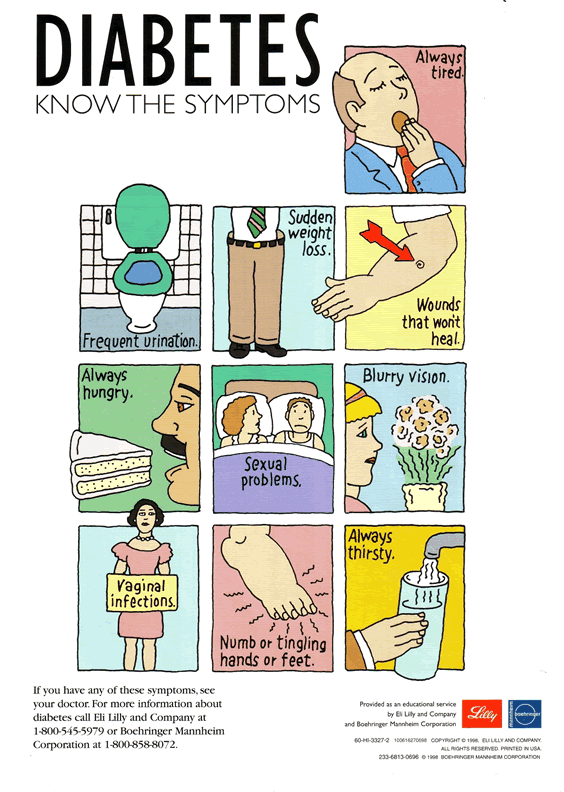
10 symptoms that could signify Type 2 diabetes

Diabetes is caused by rising blood sugar and often sneaks up on many people because of its subtle symptoms. "Almost every day people come into my office with diabetes who don't know it," says Maria Collazo-Clavell, MD, an endocrinologist at the Mayo Clinic in Rochester, Minn.

The best method of prevention for diabetes is a blood sugar test. If you notice any of these symptoms please consult your doctor or get a blood sugar test.

10) Increased urination/excessive thirst
The kidneys kick into high gear to get rid of all that extra glucose in the blood, hence the urge to relieve yourself, sometimes several times during the night. The excessive thirst means your body is trying to replenish those lost fluids and manage high blood sugar.


9) Rapid weight loss
Because the insulin hormone isn't getting glucose into the cells, where it can be used as energy, the body thinks it's starving and starts breaking down protein from the muscles as an alternate source of fuel. The kidneys are also working overtime to eliminate the excess sugar, and this leads to a loss of calories (and can harm the kidneys). "These are processes that require a lot of energy," Dr. Collazo-Clavell notes. "You create a calorie deficit."

8) Excessive hunger
Excessive pangs of hunger, another sign of diabetes, can come from sharp peaks and lows in blood sugar levels. When blood sugar levels plummet, the body thinks it hasn't been fed and craves more of the glucose that cells need to function.

7) Skin problems
Itchy skin, perhaps the result of dry skin or poor circulation, can often be a warning sign of diabetes, as are other skin conditions, such as acanthosis nigricans. "This is a darkening of the skin around the neck or armpit area," Dr. Collazo-Clavell says. "People who have this already have an insulin resistance process occurring even though their blood sugar might not be high. When I see this, I want to check their blood sugar."

6) Slow healing
Infections, cuts, and bruises that don't heal quickly are another classic sign of diabetes. This usually happens because the blood vessels are being damaged by the excessive amounts of glucose traveling the veins and arteries. This makes it hard for blood -- needed to facilitate healing -- to reach different areas of the body.

5) Yeast infection
"Diabetes is considered an immunosuppressed state," Dr. Collazo-Clavell explains. That means heightened susceptibility to a variety of infections, although the most common are yeast (candida) and other fungal infections, she says. Fungi and bacteria both thrive in sugar-rich environments.

4) Fatigue
"When people have high blood sugar levels, depending on how long it's been, they can get used to chronically not feeling well," says Dr. Collazo-Clavell. "Sometimes that's what brings them into the office."

3) Blurry vision
Having distorted vision and seeing floaters or occasional flashes of light are a direct result of high blood sugar levels. "Blurry vision is a refraction problem. When the glucose in the blood is high, it changes the shape of the lens and the eye," Dr. Collazo-Clavell explains. The good news is that this symptom is reversible once blood sugar levels are returned to normal or near normal. But let your blood sugar go unchecked for long periods and the glucose will cause permanent damage, possibly even blindness. And that's not reversible.

2) Numbness
Tingling and numbness in the hands and feet, along with burning pain or swelling, are signs that nerves are being damaged by diabetes. "If (the symptoms are) recent, it's more likely to be reversible," Dr. Collazo-Clavell says.

1) High blood sugar
Several tests are used to check for diabetes, but a single test result is never enough on its own to diagnose diabetes (the test has to be repeated). One is the fasting plasma glucose test, which checks your blood sugar after a night (or eight hours) of not eating.

Blood glucose above 126 milligrams per deciliter (mg/dL) on two occasions means you have diabetes. The normal cutoff is 99 mg/dL while a blood sugar level of 100 to 125 mg/dL is considered prediabetes, a serious condition on its own.


Home Care Assistance offers the highest quality 24/7 live-in home care in the Region of Halton (Oakville, Burlington, Halton Hills, and Milton), Region of Peel (Mississauga, Brampton and Caledon) and Hamilton.

Sunday, November 28, 2010

Debunking myths about diabetes

Most people think that if you are at high risk for diabetes you may get it, but this isn’t necessarily the case.  According to an article published by the AARP in their November/December 2010 issue, “People who lost even a little weight and exercised consistently (a goal of 30 minutes five days a week) reduced their risk of developing type 2 diabetes by 58 percent. (People 60 and up cut their risk by a whopping 71 percent).” This is just one example of the many myths that surround diabetes.


Myth #1: A special diet needs to be followed
That isn’t true anymore, “new research suggests that diabetics are best served by following the same healthy guidelines everyone else does: plenty of fruits, vegetables, whole grains, lean meat and dairy products, and sparing amounts of heart-healthy fats.”

Myth #2: There is a cure
There isn’t a cure for type 1 and type 2 diabetes, but it can be controlled without medication.  A study in 2008 published in the Annals of Internal Medicine, found that 56% of type 2 diabetics could follow a Mediterranean-style diet and control their diabetes without the use of medication.

Myth #3: Being overweight causes diabetes
34% of adults 20 and over are obese but only 10.7% of them actually have diabetes.  Experts are saying that if a person is overweight and is genetically predisposed to diabetes, then there is more of a risk.

Myth #4: Insulin pills are the first step in the medication process
There are medications that can be taken before an insulin pill is prescribed. But, if exercise and a healthy diet are followed, then no medication is needed.


Home Care Assistance offers the highest quality 24/7 live-in home care in the Region of Halton (Oakville, Burlington, Halton Hills, and Milton), Region of Peel (Mississauga, Brampton and Caledon) and Hamilton.

Tuesday, November 2, 2010

Which vitamins are important for seniors to take?


As we age, certain health conditions arise that require daily medication.  For instance, if you have hypertension, you take a blood pressure pill daily. If you have high cholesterol or another ailment, medication can be taken to keep your symptoms under control.  What we sometimes forget that is very important, is that many of these medications can affect the absorption of vitamins into our bodies.

The Cleveland Clinic claims that, “deficiencies in vitamins exist in about a third of the elderly.”  However, there are over-the-counter vitamins that we can take to correct these deficiencies such as, Vitamin D, Vitamin A, Vitamin C, Vitamin B and Folate.

Vitamin D is especially important to take because it treats those with osteoporosis, which is common among seniors.  Taking vitamin D regularly keeps calcium levels high and lessens the bone loss that occurs with kidney failure.

Vitamin A is another essential supplement as it helps with good eyesight and a healthy immune system.  As noted by the U.S. National Library of Medicine, Vitamin A “is used in the treatment for cancer and to prevent heart disease.”

Vitamin C, on the other hand, works to limit the development of dementia, Alzheimer’s, heart disease, glaucoma, arthritis and stroke, according to the U. S. National Library of Medicine.

Vitamin B-12 helps to maintain our energy levels.  Folate, which is another type of vitamin B, helps with preventing stroke, heart disease, breast cancer and colon cancer for seniors.

Now that you have a rundown of all the important vitamins seniors should consume, remember to consult with your doctor first before you start taking any new supplements.

Courtesy of Home Care Blog

 Home Care Assistance offers the highest quality 24/7 live-in home care in the Region of Halton (Oakville, Burlington, Halton Hills, and Milton), Region of Peel (Mississauga, Brampton and Caledon) and Hamilton.
Related Posts Plugin for WordPress, Blogger...