Showing posts with label Cholesterol. Show all posts

Monday, April 25, 2011

Taking care of a pet can improve your health

A dog may be more than just a best friend – research is suggesting the importance of a pet as a means for treatment.

According to aarp.com, 62% of Americans own a pet for the companionship, love and affection that these animals afford them. While these benefits are great, numerous studies are reporting actual health benefits associated with owning a furry friend.

Here are a few ways in which pets can improve your health:
  • Pets help recovery from heart attacks – A study from the National Institutes of Health found that dog owners had a higher survival rate after a heart attack, compared to those who did not own dogs.
  • Pets help reduce stress…more so than humans do.
  • Pet owners are less obese – Pet owners are more active, simply because they want their pets to stay active and healthy as well.
  • Pet owners have better mobility as they age – a National Institutes of Health study found that adults aged 71-82 who regularly walked their dogs were more mobile, compared to those who did not own pets.
  • Pets can help with cholesterol – The Centers for Disease Control and Prevention states that owning a pet can decrease cholesterol, triglycerides and blood pressure.

There are so many different pet options out there for everyone. If you are not a cat or dog person, try getting a fish or other small animal. It will be great for your health and happiness!

Courtesy of CareNotes: The Home Care Newsletter

Home Care Assistance offers the highest quality 24/7 live-in home care in the Region of Halton (Oakville, Burlington, Halton Hills, and Milton), Region of Peel (Mississauga, Brampton and Caledon), Hamilton and surrounding areas.

Monday, April 18, 2011

Six lifestyle changes to protect your brain

It is never too early to be concerned for your mental well-being. According to an article in The Huffington Post, by the year 2030, 615,000 people are said to be diagnosed with Alzheimer’s. By 2050, that annual number is expected to be just under 1 million, with someone developing Alzheimer’s every 33 seconds.
Those are very harrowing statistics. Thankfully, there are things that we can do to hopefully decrease those numbers.

Dr. Cindy Haines shares six lifestyle changes to protect your brainpower:
  1. Avoid Other Chronic Conditions – People with other chronic conditions, like diabetes, are about twice as likely to develop dementia. Obesity, high cholesterol and high blood pressure are all potentially chronic problems that you can control.
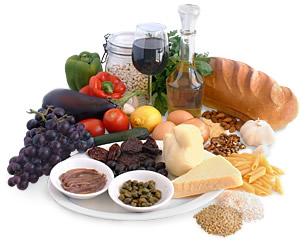
  2. Try Mediterranean Food – The Mediterranean diet is gaining popularity in its ability to help prevent dementia. The diet consists of fruits and vegetables, whole-grain bread and other whole-grain foods, beans, seeds and nuts.
  3. Stay Active – Regular exercise keeps your blood vessels healthy, which can help prevent vascular dementia and other forms of Alzheimer’s.
  4. Avoid Tobacco Smoke – Smoking has been proven to increase the risk of Alzheimer’s. Furthermore, new research is suggesting that simply being exposed to tobacco smoke can also increase that risk, so avoiding it altogether is the best bet.
  5. Keep Your Brain Busy and Stay Socially Engaged – Studies have shown that people who keep their brains active are less likely to develop dementia. Activities like crossword puzzles and reading increase your cognitive reserve.
  6. Keep an Eye on Depression – Currently, there still needs to be more research involving exactly how depression and dementia are linked, but studies show that there is a strong connection between the two.
As mentioned, it is important to start taking precautions to prevent dementia, no matter your age.

Courtesy of CareNotes: The Home Care Newsletter

Home Care Assistance offers the highest quality 24/7 live-in home care in the Region of Halton (Oakville, Burlington, Halton Hills, and Milton), Region of Peel (Mississauga, Brampton and Caledon), Hamilton and surrounding areas.

Sunday, March 20, 2011

6 lifestyle changes to boost your brain


It is never too early to start protecting your brain. According to an article in the Huffington Post, by the year 2030, 615,000 people are said to be diagnosed with Alzheimer’s. By 2050, that annual number is expected to be just under 1 million, with someone developing Alzheimer's every 33 seconds.

Those are very harrowing statistics. But, there are things that we can do to hopefully change those numbers.

Dr. Cindy Haines shares 6 Lifestyle changes to protect your brainpower:

1. Avoid other chronic conditions – People with other chronic conditions, like diabetes, are about twice as likely to develop dementia. Obesity, high cholesterol, and high blood pressure are all potentially chronic problems that you can control.

2. Try Mediterranean food – The Mediterranean diet is gaining support in its use in preventing dementia. Lots of fruits and vegetables, whole-grain bread and other whole-grain foods, and beans, seeds and nuts.

3. Stay Active – Regular exercise keeps your blood vessels healthy, which can help prevent vascular dementia and forms of Alzheimer’s.

4. Avoid Tobacco Smoke – Smoking is has been proven to increase the risk of Alzheimer’s. Furthermore, new research is suggesting that simply being exposed to tobacco smoke can also increase that risk.

5. Keep your brain busy and stay socially engaged – Studies have shown that people who keep their brains active are less likely to develop dementia. Activities like crossword puzzles and reading increase your cognitive reserve.

6. Keep an eye on depression - There still needs to be more research involving exactly how depression and dementia are linked, but studies show that there is a strong connection between the two.

Like I said earlier, it is important to start taking precautions to prevent dementia, no matter your age.

Home Care Assistance offers the highest quality 24/7 live-in home care in the Region of Halton (Oakville, Burlington, Halton Hills, and Milton), Region of Peel (Mississauga, Brampton and Caledon), Hamilton and surrounding areas.

Tuesday, November 2, 2010

Which vitamins are important for seniors to take?


As we age, certain health conditions arise that require daily medication.  For instance, if you have hypertension, you take a blood pressure pill daily. If you have high cholesterol or another ailment, medication can be taken to keep your symptoms under control.  What we sometimes forget that is very important, is that many of these medications can affect the absorption of vitamins into our bodies.

The Cleveland Clinic claims that, “deficiencies in vitamins exist in about a third of the elderly.”  However, there are over-the-counter vitamins that we can take to correct these deficiencies such as, Vitamin D, Vitamin A, Vitamin C, Vitamin B and Folate.

Vitamin D is especially important to take because it treats those with osteoporosis, which is common among seniors.  Taking vitamin D regularly keeps calcium levels high and lessens the bone loss that occurs with kidney failure.

Vitamin A is another essential supplement as it helps with good eyesight and a healthy immune system.  As noted by the U.S. National Library of Medicine, Vitamin A “is used in the treatment for cancer and to prevent heart disease.”

Vitamin C, on the other hand, works to limit the development of dementia, Alzheimer’s, heart disease, glaucoma, arthritis and stroke, according to the U. S. National Library of Medicine.

Vitamin B-12 helps to maintain our energy levels.  Folate, which is another type of vitamin B, helps with preventing stroke, heart disease, breast cancer and colon cancer for seniors.

Now that you have a rundown of all the important vitamins seniors should consume, remember to consult with your doctor first before you start taking any new supplements.

Courtesy of Home Care Blog

 Home Care Assistance offers the highest quality 24/7 live-in home care in the Region of Halton (Oakville, Burlington, Halton Hills, and Milton), Region of Peel (Mississauga, Brampton and Caledon) and Hamilton.

Sunday, October 3, 2010

How to Live to 102 - Secret #35

Eat "good" cholesterol also known as HDL cholesterol. A study published in the Journal of the American College of Cardiology analyzed 24 studies of 145,000 people and found that those with higher levels of HDL cholesterol had significantly lower rates of incidence for cancer. One theory is that HDL cholesterol possesses anti-inflammatory preperties that tame tumors.

Source: Men's Health, October 2010

Home Care Assistance offers the highest quality 24/7 live-in home care in the Region of Halton (Oakville, Burlington, Halton Hills, and Milton), Region of Peel (Mississauga, Brampton and Caledon) and Hamilton.

Sunday, September 5, 2010

September is National Cholesterol Awareness Month!

Since September is National Cholesterol Awareness Month I thought that it would be a good opportunity to talk about ways in which we can all work on lowering our cholesterol. Drugs that are taken for lower low-density lipoproteins (LDLs) cholesterol are the most widely prescribed drugs in the entire world. Bet you didn’t know that. I read an interesting article the other day on CNN.com that talked about The National Cholesterol Education Program and what they recommend to lower cholesterol through exercise and diet. Basically lifestyle changes you can make to lower your cholesterol so you do not need to turn to prescription drugs.

Diet is a key factor. Lowering the amount of saturated fat as a percentage of total calories is the first step toward decreasing your cholesterol, as saturated fat goes hand-in-hand with higher cholesterol. Another suggestion is to eat more plant-based foods and whole grains as well as limit red meat, full- fat dairy products, baked goods and fried foods. All of these dietary changes can help reduce saturated fats. The intake of soluble fiber is another thing they stress. Foods with high amounts of soluble fiber include oats, beans, fruits and vegetables. Soluble fibers are effective because they trap cholesterol in the digestive tract so that it passes through your body instead of into your blood stream. Adding stanols and sterols such as vegetable oils, nuts and seeds also help decrease cholesterol levels because they compete with cholesterol for absorption into the body’s system.

Living a therapeutic lifestyle that incorporates daily exercise is also very important. Women and men with belly fat are more likely to have high cholesterol and need to lose as much as 10 percent of one’s body weight to significantly improve health.

If you make the above lifestyle changes, The National Cholesterol Education Program claims you can avoid the negative side effects that come from cholesterol reducing prescription drugs.

Home Care Assistance offers the highest quality 24/7 live-in home care in the Region of Halton (Oakville, Burlington, Halton Hills, and Milton), Region of Peel (Mississauga, Brampton and Caledon) and Hamilton.
Thursday, August 19, 2010

6 Health Benefits of Having Pets

According to care2.com, scientists have recently discovered many health benefits that can be attributed to pets. Many people intuitively believe that pets have healing benefits, but there is now scientific proof for such beliefs:

1. Pets lessen the risk of allergies and asthma: Recent studies have found that children who grow up in homes with dogs are much less likely to have certain allergies, and are less likely to develop eczema later in life.

2. Pets reduce stress: A Mindlab International survey reported that 55% of people were more relaxed after spending time with their pets. Stress reduction is a novelty in today’s society and can greatly improve one’s mental and physical health.

3. Cats lower risk of fatal heart attack: Those who own cats have been found to have a 40% lower risk of heart attack, most likely due to the fact that owning a cat can reduce anxiety, which can lead to heart conditions.

4. Dogs lower blood pressure and cholesterol: The British Journal of Health Psychology reported this, and attributed it to the fact that dog owners generally engage in regular walks with their pet.

5. Pets can help people with serious illness: Physicians often encourage ailing patients to own a pet because it has been found that this can motivate people to take better care of themselves.

6. Dogs help with weight loss: A study from the University of Missouri found that people were much more likely to be motivated to walk when their walking partner was a dog rather than another human. It has been found that walking a dog for just 20 minutes a day could result in up to 14 pounds of weight-loss in a year.

Source: Home Care Blog

Home Care Assistance offers the highest quality 24/7 live-in home care in the Region of Halton (Oakville, Burlington, Halton Hills, and Milton), Region of Peel (Mississauga, Brampton and Caledon) and Hamilton.

Tuesday, August 17, 2010

A Healthy Heart Equals A Healthy Mind

A study published in Circulation: Journal of the American Heart Association looked at 1,504 people of the decades-long Framingham Offspring Cohort study to examine brain and heart MRI information. The participants, who ranged from 34 – 84 years old, displayed signs that their brains began to shrink as they age. Brain atrophy has long been considered a sign of aging, and is more severe in people with dementia.
"The results are interesting in that they suggest cardiac index and brain health are related," Angela L. Jefferson, Ph.D., the study's lead author and associate professor of neurology at the Boston University School of Medicine, “The association cannot be attributed to cardiovascular disease because the relationship also was seen when we removed those participants with known cardiovascular disease from our analyses."
But participants with a poorer Cardiac index -- a measure of heart health -- and whose hearts pumped less blood had brains that appeared an average of two years older than those with normal cardiac output. This was true even for healthy people with no indications of cardiovascular disease but who had more 'sluggish' hearts. This link was found both in younger people (in their 30s) who did not have heart disease, as well as older participants who did. Yet the exact cause for a link between heart function and brain volume is still not fully understood.
"There are several theories for why reduced cardiac index might affect brain health. For instance, a lower volume of blood pumping from the heart might reduce blood flow to the brain, providing less oxygen and fewer nutrients needed for brain cells. It is too early to dole out health advice based on this one finding but it does suggest that heart and brain health go hand in hand." -- Angela Jefferson
So if a youthful brain goes hand in hand with a healthy heart, what are the best ways to keep both in shape? Although we can do little change some risk factors such as family history or age, The Mayo Clinic provides a few tips to preventing cardiovascular disease.

Don't smoke

Smoking or using other tobacco products is one of the biggest risk factors for developing heart disease. Tobacco smoke contains more than 4,800 chemicals, many of which can damage your heart and blood vessels, making them more vulnerable to narrowing of the arteries -- which can ultimately lead to a heart attack.

The nicotine in cigarettes also causes the heart to work harder by narrowing blood vessels and increasing heart rate and blood pressure. Cigarette smoke also contains carbon monoxide, and this replaces some of the oxygen in your blood -- which in turn increases your blood pressure by forcing your heart to work harder to supply enough oxygen. Even "social smokers" -- who only smoke while at a bar or restaurant with friends -- face an increased risk of heart disease.

The good news? Once you quit smoking -- no matter how long or how much you smoked -- your risk of heart disease drops dramatically within just one year of quitting.

Get moving

Regular exercise not only reduces risk of fatal heart disease, but it also helps to control your weight and reduce chances of developing other conditions that can strain the heart such as high blood pressure, high cholesterol and diabetes. Exercise also reduces stress, which is thought to be a factor in heart disease.

How much exercise is enough? Current guidelines recommend at least 30 to 60 minutes of moderately intense physical activity most days of the week. However, even shorter amounts of exercise offer heart benefits and activities like gardening, housekeeping, taking the stairs and walking the dog all count toward a healthier heart.

Eat heart-friendly foods

To enhance heart health, choose foods are those that are low in fat, cholesterol and salt. Think of fruits, veggies, and whole grains. Legumes, low-fat dairy and low-fat sources of protein and certain types of fish also can reduce risk of heart disease.

Omega-3 fatty acids -- a type of polyunsaturated fat -- are another component of a heart-friendly diet. They can decrease risk of heart attack, protect against irregular heartbeats and lower blood pressure. Some fish, such as salmon and mackerel, are a good natural source of omega-3s. Other sources include flaxseed oil, walnut oil, soybean oil and canola oil, and they can also be found in supplements.

Saturated and trans fat, on the other hand, increase the risk of coronary artery disease by raising blood cholesterol levels. Major sources of saturated fat include beef, butter, cheese, milk, and coconut and palm oils.

Trans fat may be even worse than saturated fat. This is because unlike saturated fat, it both raises your low-density lipoprotein (LDL), or "bad," cholesterol, and lowers your high-density lipoprotein (HDL), or "good," cholesterol. Sources of trans fat include some deep-fried fast foods, bakery products, packaged snack foods, margarines and crackers. Look at the label for the term "partially hydrogenated" to avoid trans fat.

Watch your weight

It's been widely reported that obesity rates are on the rise in North America among both adults and children. These extra pounds (especially around the mid-section) can take a toll on your health – but keep in mind that even small reductions in weight can produce big benefits. Reducing your weight by just 10 per cent can decrease blood pressure, lower blood cholesterol level and reduce risk of diabetes.

Get regular health screenings

Be sure to stay on top of your numbers: High blood pressure and high cholesterol cause damage to your heart and blood vessels. But without regular testing, you won't know if you have these conditions or if you need to take action.

Source: 50plus.com

Home Care Assistance offers the highest quality 24/7 live-in home care in the Region of Halton (Oakville, Burlington, Halton Hills, and Milton), Region of Peel (Mississauga, Brampton and Caledon) and Hamilton.

Monday, August 9, 2010

New Tea on the Block: Pu-erh

Pu-erh (Pronounced pew-er:) tea may be new to most North Americans, but it isn't actually "new." It's been grown and cured in the Yunnan province of China for over 2000 years and its distinguishing characteristic is, in fact, its age.

Xiaguan Te Ji (Special grade) raw tuo cha
Broad leaf tea leaves are fermented, pressed, and aged to make pu-erh tea (some versions are made without fermenting the tea first). All pu-erh tea used to be aged for decades, some are even aged as long as a century. Modern tea producers have found ways to speed up that process for most commercially available pu-erh tea.

Chinese medicine uses pu-erh tea to flush out toxins, treat dysentery, improve digestive function, facilitate weight loss, and improve blood circulation.

Modern scientific studies have found that pu-erh tea can lower blood pressure, reduce free radicals, and aid weight loss. It has also been shown to lower blood sugar levels and promote healthy bacterial flora in the intestines, thus, as traditional Chinese medicine proclaims, promoting healthy digestion. One Chinese study found that the fungi and bacteria that increase in pu-erh tea as it ages and give the tea its unique flavor are also those that develop polyphenols and cancer-fighting properties.

For as cure-all as this can start to sound, most striking are the studies that point to pu-erh tea's ability to lower cholesterol levels.

All tea – whether black, oolong, green, or pu-erh – contains antioxidants and polyphenols. Several studies have found that pu-erh tea is particularly effective at lowering bad cholesterol. A 2005 study at the Wun-Shan Branch Tea Research and Extension Station in Taipei, Taiwan looked at the cholesterol-lowering properties of all four types of tea and found that while they all decreased LDL-C (bad cholesterol), only pu-erh tea did not also lower HDL-C (good cholesterol) to some extent. When it comes to cholesterol, pu-erh tea takes the bad while leaving the good.

The same study found that pu-erh and oolong teas lowered triglycerides more than did black or green teas. All teas improved the activity of an important antioxidant enzyme.

An earlier French study found that subjects with high blood lipid levels experienced a 22% reduction in those levels when they were given three servings of pu-erh tea daily. The control group showed no change.

A similar study at Kunming Medical College in China found that subjects with hypertension or coronary heart disease (all of whom were admitted to the hospital for these conditions) who were given three servings of pu-erh tea daily showed a 64% reduction in blood lipid levels as compared to a 67% reduction in subjects who were given standard cholesterol-reducing drugs.

The Balanced Care Method™ recommends drinking several cups of tea daily because of the significant levels of antioxidants and flavonoids. Okinawan elders – the longest and healthiest lived population on earth – regularly drink large amounts of tea, keeping them hydrated and full of health-enhancing antioxidants and flavonoids.

Hydration is an important health benefit of tea. Sipping tea, including pu-erh tea, helps people stay hydrated. Unlike sodas and juices, tea provides water without empty calories or high levels of simple sugars. Dehydration in seniors can lead to symptoms that mimic serious conditions, even dementia. Symptoms of dehydration can include fatigue, headache, dry mouth, little or no urination, muscle weakness, dizziness, confusion, forgetfulness, rapid breathing, and even an increased heart rate.

Aim for a total of eight glasses of water or the equivalent every day. More may be necessary if taking medications that have diuretic or laxative effects. To avoid dehydration:
• Drink before you feel thirsty
• Have water or tea nearby for sipping throughout the day
• Drink water or tea before eating food at meals

Many American tea companies are starting to carry pu-erh teas in their lines. For the best quality, look for pu-erh teas from Yunnan province. Note that the older pu-erh teas will be more expensive.

Pu-erh teas are more forgiving when it comes to brewing than other types of tea. They are hard to over-brew. Brew pu-erh teas with boiling water and let steep about three minutes. Sweeten or add lemon to taste.

Source: CareNotes Newsletter (Volume 3, Number 3)

Home Care Assistance offers the highest quality 24/7 live-in home care in the Region of Halton (Oakville, Burlington, Halton Hills, and Milton), Region of Peel (Mississauga, Brampton and Caledon) and Hamilton.

Wednesday, August 4, 2010

Adopt a Brain-Healthy Diet

According to the most current research, a brain-healthy diet is one that reduces the risk of heart disease and diabetes, encourages good blood flow to the brain, and is low in fat and cholesterol. Like the heart, the brain needs the right balance of nutrients, including protein and sugar, to function well. A brain-healthy diet is most effective when combined with physical and mental activity and social interaction. Manage your body weight for overall good health of brain and body. A long-term study of 1,500 adults found that those who were obese in middle age were twice as likely to develop dementia in later life. Those who also had high cholesterol and high blood pressure had six times the risk of dementia. Adopt an overall food lifestyle, rather than a short-term diet, and eat in moderation. Reduce your intake of foods high in fat and cholesterol. Studies have shown that high intake of saturated fat and cholesterol clogs the arteries and is associated with higher risk for Alzheimer’s disease. However, HDL (or “good”) cholesterol may help protect brain cells. Use mono- and polyunsaturated fats, such as olive oil, for example. Try baking or grilling food instead of frying. Increase your intake of protective foods. Current research suggests that certain foods may reduce the risk of heart disease and stroke, and appear to protect brain cells.

In general, dark-skinned fruits and vegetables have the highest levels of naturally occurring antioxidant levels. Such vegetables include: kale, spinach, brussels sprouts, alfalfa sprouts, broccoli, beets, red bell pepper, onion, corn and eggplant. Fruits with high antioxidant levels include prunes, raisins, blueberries, blackberries, strawberries, raspberries, plums, oranges, red grapes and cherries.

Cold water fish contain beneficial omega-3 fatty acids: halibut, mackerel, salmon, trout and tuna.

Some nuts are useful; almonds, pecans and walnuts are a good source of vitamin E, an antioxidant.

Not enough information is available to indicate what quantities of these foods might be most beneficial for brain health. For example, it is not clear how much fruit would have to be consumed to have a detectable benefit. However, a study of elderly women showed that those who ate the most green, leafy and cruciferous vegetables in the group were one to two years younger in mental function than women who ate few of these vegetables.

Vitamins may be helpful. There is some indication that vitamins, such as vitamin E, or vitamins E and C together, vitamin B12 and folate may be important in lowering your risk of developing Alzheimer’s. A brain-healthy diet will help increase your intake of these vitamins and the trace elements necessary for the body to use them effectively.

Source: Alzheimer's Association

Home Care Assistance offers the highest quality 24/7 live-in home care in the Region of Halton (Oakville, Burlington, Halton Hills, and Milton), Region of Peel (Mississauga, Brampton and Caledon) and Hamilton.

Tuesday, August 3, 2010

Adapting the Habits of Centenarians

A grocery store in Okinawa, Japan consists largely of plant-based foods
Genetic factors are undoubtedly an important element in long-living populations. Different studies have shown that genetics play anywhere from 10 to 50 percent of the role in determining lifespan in all animals. However, most studies of human populations conclude that genetics determine about one-third of people’s life span. This still means that lifestyle factors play a larger role than genetic factors in influencing how long a person will live.

An Okinawa Centenarian Study that Home Care Assistance is sharing with its caregivers found over 900 verifiable centenarians who not only experience impressively long life spans, but have admirably good health and independence into their eighties, and nineties.


DIETARY FACTORS

Okinawan elders engage in a practice of hara hachi bu, meaning they eat until they are 80% full. This results in a low-calorie that may promote healthy, longer lives. One of the main demands we make on our bodies is consuming and digesting food, a process that ultimately leads to the production of free radicals, or unstable molecules. By limiting caloric intake, we limit how much food our bodies need to process, thus decreasing the amount of free radicals in our bloodstream.

THE IMPORTANCE OF A PLANT-BASED DIET

Eighty percent of the calories in the Okinawan diet is plant-based. They eat a lot of rice, a wide range of vegetables, fruits, sea vegetables (i.e. seaweed), and soy products. Of the 20% of animal-based calories they do consume, it is mostly cold-water fish or stewed meats from which the fat has been rendered. The fats they eat – from fish, soy products, or cold-pressed canola oil – are largely mono-unsaturated or rich in omega-3 fatty acids. Alcohol consumption is moderate and sweets are occasional treats. Green tea, a very healthy choice, is sipped regularly.

There are many things about the Okinawan diet that contribute to the long lives and good health of its elders. First of all, high fiber is a central pillar in many healthful diet guidelines. A high fiber diet helps maintain a sense of fullness and keeps people from overeating. It also aids in proper, efficient, and pain-free digestion. Fiber comes from whole grains and fruits and vegetables. These complex carbohydrates (versus the simple carbohydrates in refined flour and sugar that break down more slowly) help maintain healthy glycemic load so that the pancreas can produce enough insulin to process the spikes in blood sugar levels caused by eating simple carbohydrates. Along with providing fiber, the large amount of fruits and vegetables in the traditional Okinawan diet provide these elders essential minerals and antioxidants, which in turn fight free radicals in their systems.

ADAPTING THE HABITS OF THE WORLD’S CENTENARIANS

The Okinawan high-fiber, vegetable-laden diet is low in protein. Most North Americans eat between two and four times as much protein that they need on a daily basis. Much of this protein takes the form of meat and dairy products, which also contain saturated fat. Saturated fat leads to unhealthy cholesterol levels and the production of artery-clogging homocysteine. When a high level of animal product consumption is combined with a lack of folate, an essential mineral found in dark, leafy green vegetables that helps regulate homocysteine levels, the problem compounds on itself. Furthermore, when we eat protein, our bodies also need to process the by-products: ammonia and urea. Both of these toxins are processed through our kidneys, which are dependent on the liver functioning properly. An excessive amount of protein puts pressure on a host of vital organs.

THE DIFFERENCE BETWEEN PROTEINS

The protein Okinawan elders do eat tends to come from two sources: cold-water fish and soy.

Cold-water fish tends to be fatty, but that fat needs to stay liquid even in cold temperatures. Unlike other animal fats that solidify, the fat in cold-water fish remains free flowing. It is polyunsaturated and has omega-3 fatty acids, but doesn’t have the same artery-clogging properties as saturated fat. Okinawans eat, on average, three servings of fish – mostly cold-water fish like mackerel, salmon, and tuna – a week, causing them to have higher levels of omega-3 fatty acids in their systems than North Americans do. Omega-3s are seemingly miracle workers; they are cancer preventing, brain-function-enhancing, and heart-protecting.

Okinawan elders also eat several servings of soy – tofu, miso, and tempeh – products daily. Along with being an excellent source of low-fat protein, soy contains high levels of flavonoids, strong antioxidants that fight free radicals in any system they inhabit. Flavonoids also provide a source of natural, weak estrogens that can block the body’s own estrogen that causes breast and prostate cancer. In short, Okinawans high consumption of soy may explain their remarkable low rates of cancer. It also helps maintain bone density and muscle mass, keeping older Okinawans looking, feeling, and acting younger than Westerners of the same age.

TEA, SUGAR, AND ALCOHOL

Antioxidants and flavonoids are also found in tea, which Okinawan elders drink regularly in large amounts. Along with consuming limited red meat and almost no dairy products, drinking low to moderate amounts of alcohol helps further protect Okinawan elders. Some alcohol, especially when enjoyed with food, has been shown to have some health benefits. Yet alcohol increases the body’s estrogen production, which in turn can increase the possibility of developing hormone-dependent cancers. High alcohol consumption also destroys folates in the systems, which are important players in maintaining heart health, avoiding stroke, and promoting proper brain functioning.

Refined sugar and other sweets have a limited role in the traditional Okinawan diet, helping them avoid blood sugar spikes, stress on the pancreas, empty calories, and unnecessary cravings. Following a principle of hara hachi bu (eating until only 80% full) is much easier when the foods one is eating are wholesome, nutritious, and don’t induce a physical desire to overeat.


 Home Care Assistance offers the highest quality 24/7 live-in home care in the Region of Halton (Oakville, Burlington, Halton Hills, and Milton), Region of Peel (Mississauga, Brampton and Caledon) and Hamilton.

Tuesday, July 20, 2010

How to Live to 102 - Secret #8

Find companionship with a pet like a dog, cat or bird. There is solid evidence that owning a pet can reduce stress, lower blood pressure, lower cholesterol levels, lower heart attack rates, combat depression and stimulate exercise and improve fitness.


Home Care Assistance offers the highest quality 24/7 live-in home care in the Region of Halton (Oakville, Burlington, Halton Hills, and Milton), Region of Peel (Mississauga, Brampton and Caledon) and Hamilton.

Monday, July 5, 2010

10 Healthy "Superfoods" Snacks

When it comes to healthy snacks, the age of the baby carrot is over. Sure, raw carrots are great for you, but so are plenty of other delicious foods. These ten delicious snacks are also "superfoods" – not only are they good for you but they also have health-boosting properties to boot. Whether you crave something sweet, something salty, something crunchy, or something creamy, there is a superfoods snack for you. Note the serving sizes mentioned and enjoy all snacks in moderation for a healthy, varied diet.

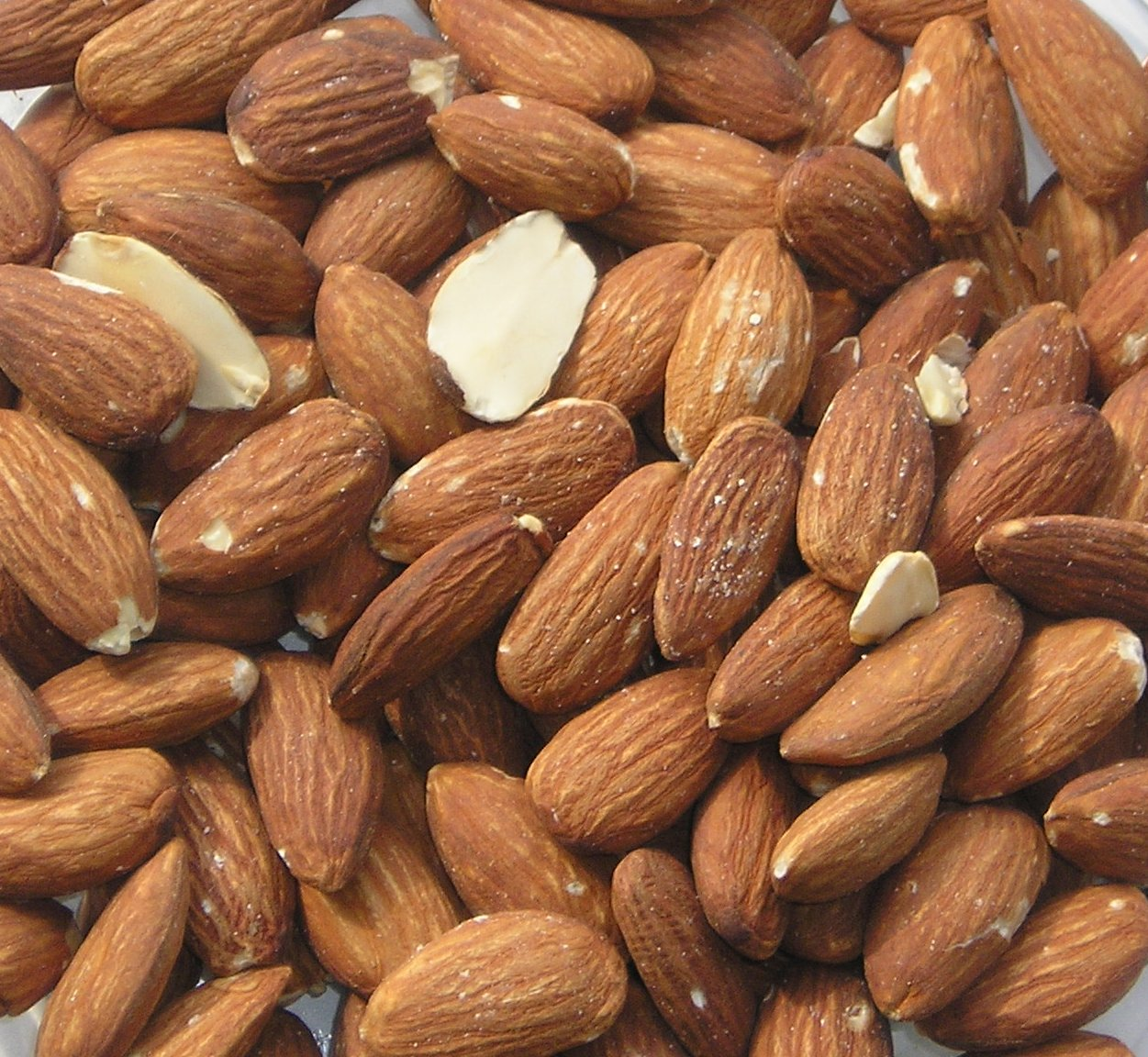
1. Almonds
Almonds have been shown to lower cholesterol and help maintain a healthy weight. About a ¼ cup of almonds is a beneficial serving. Enjoy them plain or roasted, whole or slivered. Almond butter – just a tablespoon or two – is a healthy treat, too. Try some on a whole grain cracker and a cup of green tea for a late afternoon energy boost.

2. Blueberries
Blueberries are as full of cancer- and disease-fighting antioxidants as any food around, so much so that they have been even shown to restore antioxidant levels. Also, like cranberries, they can help prevent urinary tract infections. Note that wild blueberries tend to have even more antioxidants than cultivated ones. Fresh berries are delicious all on their own or with a bit of Greek yogurt (see #5). Frozen berries can be used in smoothies or put on top of low-fat frozen yogurt. Use about ½ cup fresh or frozen berries as a serving.

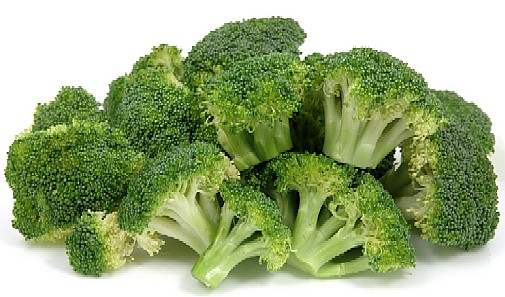
3. Broccoli
Broccoli eaten either raw or lightly steamed contains tons of soluble fiber and antioxidants, as well as folic acid, calcium, ion, and potassium. Broccoli has even been shown to have the power to reduce diabetic damage. Don't throw away the stalk/stem! Cut off the thick, fibrous darker green peel to reveal the tender, pale green vegetable underneath – it has the crunch of celery and a mild broccoli flavor. Try broccoli florets or peeled stems with a little drizzle of soy sauce or a simple dip made from fat-free Greek yogurt (again see #5) – stir in minced garlic and herbs, lemon zest and minced rosemary, or a sprinkle of cumin and cayenne to taste. About ½ cup of florets or peeled stem is a serving.

4. Cherries
Cherries, tart ones in particular, have similarly insanely high antioxidant levels as blueberries, putting them in the position to fight memory loss, heart disease, and diabetes. They've also been shown to help reduce inflammation, helping alleviate arthritic and gout pain. Fresh, frozen, or dried (unsweetened) tart cherries make a great snack on their own or combined with other nuts (almonds, walnuts, pumpkins seeds) and fruits (blueberries, raisins). Count ½ cup fresh cherries or ¼ cup dried cherries as a serving.

5. Greek Yogurt
Greek yogurt is thick and creamy in a way regular yogurt can only dream of. It's high in calcium, of course, and contains good levels of probiotics, which aid healthy digestion. But did you know low-fat and fat-free versions contain twice as much protein as regular yogurt? The texture of Greek yogurt makes it a great snack – especially when topped with dried fruits like blueberries, tart cherries, or raisins – as well as a good substitute for fatty sour cream. Include in it your three servings (1/2 cup each) of low-fat dairy a day.

6. Pumpkin Seeds
Pumpkin seeds give you protein, zinc, magnesium, and selenium, a potent combination that can fight heart disease and depression. Selenium, a trace mineral, is essential for proper thyroid function. Look for roasted pumpkin seeds, often sold as "pepitas," that are unsalted and flavor-free. As with all nuts and seeds, a serving is about ¼ cup.

7. Raisins
Raisins, like all dried fruits, contain a lot of natural sugars, but the fiber and iron in raisins, along with high levels of vitamin C, put them squarely in the super snacks category. Plus, the phytochemicals in raisins have been shown to fight the bacteria that cause tooth decay and gum disease. Keep servings to about ¼ cup and buy only unsweetened raisins.

8. Soy Beans
Soy beans (edamame) are a great source of protein as well as cancer-fighting flavonoids. Steamed or boiled fresh or frozen soy beans can be eaten like fresh sweet peas or in-shell peanuts – and, in fact, they taste a bit like a cross between the two – where part of the fun is getting the nugget out of the shell. Enjoy ½ cup shelled soybeans or 1 cup in-the-pod soy beans as a tasty, healthful snack.

9. Walnuts
Walnuts bring protein, fiber, vitamins, minerals and precious omega-3s to the party. They've been shown to lower cholesterol, improve brain function, regulate sleep patterns, and fight cancer and heart disease. If you find walnuts a bit too bitter to enjoy them fully, use this trick: blanch walnut halves in boiling water for 30 seconds to remove some of the bitterness, drain them, and then toast them on a baking sheet in a 375-degree oven for 10 to 15 minutes to bring back their crunch. As with all nuts, limit your serving size to about ¼ cup.

10. Dark Chocolate
Dark chocolate – saving the best for last. Dark chocolate has tons of antioxidants, magnesium, manganese, copper, zinc, and phosphorous. Look for chocolate that contains over 70% cocoa to get the full benefit of chocolate's antioxidant powers and limit your intake to about an ounce a day.
Related Posts Plugin for WordPress, Blogger...