Showing posts with label Diabetes. Show all posts

Wednesday, September 7, 2011

Keeping your kidneys healthy - Seniors' Health - Body & Health

Keeping your kidneys healthy - Seniors' Health - Body & Health


Ward off kidney disease

Diabetes and high blood pressure are 2 of the leading causes of kidney disease. If you have diabetes, you can reduce your risk of kidney damage by managing your blood sugar levels. If you have high blood pressure, you can help protect your kidneys by getting your blood pressure to a healthy level. There is much you can do to help manage these 2 conditions or, in some cases, to prevent them. By doing so, you'll benefit your overall health - not just your kidney function.

Diabetes and your kidneys

About half of those who have diabetes will develop early signs of kidney damage. Unfortunately, though, early kidney damage has few symptoms, so it's important for people with diabetes to have regular tests to check their kidney function. It's also important to be aware of the risk of kidney damage so that you can do as much as you can to minimize it.
While you may not be able to completely protect your kidneys from the effects of diabetes, the following steps will help your kidneys stay as healthy as possible:
  • Keep control of your blood sugar levels with the help of your doctor or pharmacist.
  • Ask your doctor about regular urine and blood tests to monitor your kidney function.
  • Check your blood pressure regularly - your doctor can advise you on your target blood pressure and how often to check.
  • Eat a healthy diet - your doctor or dietitian can advise you on the best foods for you to choose or avoid.
  • Try to quit smoking.
  • Exercise regularly.
Your doctor may also recommend that you take a medication called an ACE inhibitor (e.g., lisinopril, enalapril) to help protect your kidneys.

High blood pressure and your kidneys

The complications of high blood pressure are serious. You may be aware that high blood pressure can lead to a stroke or heart attack, but did you know that it could also cause kidney damage? If you already have kidney disease, maintaining a healthy control of your blood pressure can help protect your kidneys.
What can you do to help control your blood pressure?
  • Consult your doctor about your "target" blood pressure.
  • Monitor your blood pressure regularly as recommended by your doctor. Many pharmacies sell blood pressure cuffs that you can easily use at home. If you discover your blood pressure is higher than it should be, speak to your doctor. You may need to adopt some lifestyle changes (see below) or take a medication (or combination of medications) to help lower your blood pressure.
  • Follow a low-fat, low-salt diet (such as the DASH diet).
  • Exercise regularly.
  • Keep a healthy body weight.
  • Reduce the amount of alcohol that you drink.
  • Try to quit smoking.

Ward off kidney stones

Passing a kidney stone can be an extremely painful experience. And aside from the pain, kidney stones also pose a risk of kidney damage and urinary tract infection.
One in 10 Canadians will experience a kidney stone during their lifetime. Kidney stones are usually made of a substance called calcium oxalate, but the stones may also be made of uric acid or cystine. Once you have developed a stone, your options are:
  • to pass the stone when you urinate
  • to have it surgically removed
  • to have it dissolved with medication
  • to have it broken up through a special procedure using high-energy shock waves (extra-corporeal shock wave lithotripsy or ESWL)
Your best course of treatment will depend on factors such as the type and size of the stone.
What can you do to avoid a kidney stone?
  • Drink plenty of water! Aim for at least 2 L (about 8 glasses) of water daily. If you are exercising, you'll need to drink extra, as your body will lose some fluid through perspiration and therefore this fluid will not pass through your kidneys.
  • Keep a healthy body weight. Recent studies show that weight gain and obesity increase your risk of forming a kidney stone.
  • Consume a diet that has normal dietary amounts of calcium and is low in salt and animal protein.
  • If you've had kidney stones in the past, you may need to avoid or restrict certain foods in your diet (e.g., foods that are high in oxalate such as organ meats or chocolate). Your doctor can advise you on this.
  • If you still develop kidney stones despite dietary and lifestyle changes, you may need to start taking medications as recommended by your doctor.
  • Talk to your doctor or pharmacist about whether one of your medications may be increasing your risk of kidney stones.

Written and reviewed by the MediResource Clinical Team


Home Care Assistance offers the highest quality 24/7 live-in home care in the Region of Halton (Oakville, Burlington, Halton Hills, and Milton), Region of Peel (Mississauga, Brampton and Caledon), Hamilton and surrounding areas.

Monday, May 2, 2011

Why you should watch how much sodium you eat

Eating a sodium-free diet by choice may be difficult to imagine, especially when you don’t suffer from high blood pressure or food-restricting conditions like diabetes. However, it may be a smart move.

A recent article in the Huffington Post lists numerous negative health effects caused by high sodium consumption, which includes kidney disease, osteoporosis, asthma and even gastric cancer. The majority of these negative health affects are a result of the average sodium intake in America today. About 3500mg of sodium is consumed by a single individual in a day. Compared to our early ancestral diet of natural foods where there was only 1000mg of sodium, this is a grotesquely high number.

Living in a society where fast food and other unhealthy options are readily available makes sodium and diet constrictions a challenge for many.  Unfortunately, a high sodium diet puts even the healthiest person at risk for health trouble beyond high blood pressure. So much so, that the American Heart Association has recently dropped its recommended maximum sodium intake from 2300 mg to 1500 mg.

Unhealthy eating trends over the past decade have varied among North Americans. Only until recently, has affordable, organic food become more mainstream and widely available. Stores like Trader Joe’s can be found in more local neighborhoods. Whole Foods, although pricier, offers organic, pre-made balanced meals that provide consumers a variety of options to chose from.

Eating less sodium doesn’t have to be a painful alteration to your lifestyle. Not to mention, the health benefits you will gain from eating a low sodium diet will far outweigh how you looked and felt before!

Courtesy of CareNotes: The Home Care Newsletter

Home Care Assistance offers the highest quality 24/7 live-in home care in the Region of Halton (Oakville, Burlington, Halton Hills, and Milton), Region of Peel (Mississauga, Brampton and Caledon), Hamilton and surrounding areas.

Thursday, April 14, 2011

Storytelling may lead to improved health

Storytelling is one of the oldest human traditions on earth. Stories are integral aspects of our lives and an important part of how we communicate, learn and grow.


According to an article in The New York Times, research is supporting the idea that storytelling is also imperative in improving health. Doctors and patients alike suggest the power of personal narratives to effectively communicate and interpret experiences concerning certain health issues.

A recent study published in The Annals of Internal Medicine reported that listening to personal narratives helped control high blood pressure in one group of patients, an outcome that was just as successful as taking additional medications.

“Telling and listening to stories is the way we make sense of our lives,” said Dr. Thomas K. Houston, lead author of the study and a researcher at the University of Massachusetts Medical School in Worcester and the Veterans Affairs Medical Center in Bedford, Mass. “That natural tendency may have the potential to alter behavior and improve health.”

Researchers explain that storytelling counteracts the initial denial a patient experiences when diagnosed. Similarly, patients might distrust the medical system or have difficulty understanding all of the information. However, stories and personal narratives are relatable, and therefore help the patient make sense of their own situation.

Stories are particularly beneficial with the more “silent” chronic diseases, such as diabetes or high blood pressure. They can help the patient realize the importance of addressing a disease that has few obvious symptoms.

“Storytelling is human,” Dr. Houston said. “We learn through stories, and we use them to make sense of our lives. It’s a natural extension to think that we could use stories to improve our health.”

Courtesy of CareNotes: The Home Care Newsletter

Home Care Assistance offers the highest quality 24/7 live-in home care in the Region of Halton (Oakville, Burlington, Halton Hills, and Milton), Region of Peel (Mississauga, Brampton and Caledon), Hamilton and surrounding areas.

Sunday, March 20, 2011

6 lifestyle changes to boost your brain


It is never too early to start protecting your brain. According to an article in the Huffington Post, by the year 2030, 615,000 people are said to be diagnosed with Alzheimer’s. By 2050, that annual number is expected to be just under 1 million, with someone developing Alzheimer's every 33 seconds.

Those are very harrowing statistics. But, there are things that we can do to hopefully change those numbers.

Dr. Cindy Haines shares 6 Lifestyle changes to protect your brainpower:

1. Avoid other chronic conditions – People with other chronic conditions, like diabetes, are about twice as likely to develop dementia. Obesity, high cholesterol, and high blood pressure are all potentially chronic problems that you can control.

2. Try Mediterranean food – The Mediterranean diet is gaining support in its use in preventing dementia. Lots of fruits and vegetables, whole-grain bread and other whole-grain foods, and beans, seeds and nuts.

3. Stay Active – Regular exercise keeps your blood vessels healthy, which can help prevent vascular dementia and forms of Alzheimer’s.

4. Avoid Tobacco Smoke – Smoking is has been proven to increase the risk of Alzheimer’s. Furthermore, new research is suggesting that simply being exposed to tobacco smoke can also increase that risk.

5. Keep your brain busy and stay socially engaged – Studies have shown that people who keep their brains active are less likely to develop dementia. Activities like crossword puzzles and reading increase your cognitive reserve.

6. Keep an eye on depression - There still needs to be more research involving exactly how depression and dementia are linked, but studies show that there is a strong connection between the two.

Like I said earlier, it is important to start taking precautions to prevent dementia, no matter your age.

Home Care Assistance offers the highest quality 24/7 live-in home care in the Region of Halton (Oakville, Burlington, Halton Hills, and Milton), Region of Peel (Mississauga, Brampton and Caledon), Hamilton and surrounding areas.

Tuesday, December 7, 2010

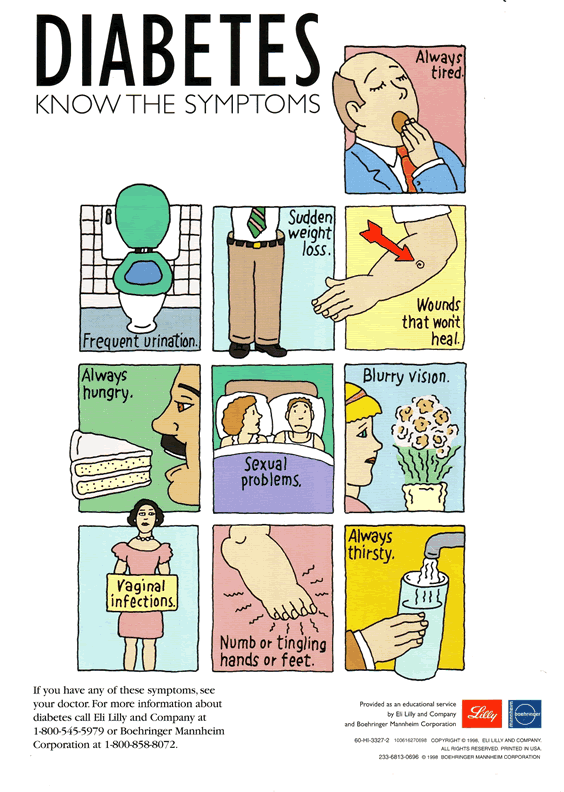
10 symptoms that could signify Type 2 diabetes

Diabetes is caused by rising blood sugar and often sneaks up on many people because of its subtle symptoms. "Almost every day people come into my office with diabetes who don't know it," says Maria Collazo-Clavell, MD, an endocrinologist at the Mayo Clinic in Rochester, Minn.

The best method of prevention for diabetes is a blood sugar test. If you notice any of these symptoms please consult your doctor or get a blood sugar test.

10) Increased urination/excessive thirst
The kidneys kick into high gear to get rid of all that extra glucose in the blood, hence the urge to relieve yourself, sometimes several times during the night. The excessive thirst means your body is trying to replenish those lost fluids and manage high blood sugar.


9) Rapid weight loss
Because the insulin hormone isn't getting glucose into the cells, where it can be used as energy, the body thinks it's starving and starts breaking down protein from the muscles as an alternate source of fuel. The kidneys are also working overtime to eliminate the excess sugar, and this leads to a loss of calories (and can harm the kidneys). "These are processes that require a lot of energy," Dr. Collazo-Clavell notes. "You create a calorie deficit."

8) Excessive hunger
Excessive pangs of hunger, another sign of diabetes, can come from sharp peaks and lows in blood sugar levels. When blood sugar levels plummet, the body thinks it hasn't been fed and craves more of the glucose that cells need to function.

7) Skin problems
Itchy skin, perhaps the result of dry skin or poor circulation, can often be a warning sign of diabetes, as are other skin conditions, such as acanthosis nigricans. "This is a darkening of the skin around the neck or armpit area," Dr. Collazo-Clavell says. "People who have this already have an insulin resistance process occurring even though their blood sugar might not be high. When I see this, I want to check their blood sugar."

6) Slow healing
Infections, cuts, and bruises that don't heal quickly are another classic sign of diabetes. This usually happens because the blood vessels are being damaged by the excessive amounts of glucose traveling the veins and arteries. This makes it hard for blood -- needed to facilitate healing -- to reach different areas of the body.

5) Yeast infection
"Diabetes is considered an immunosuppressed state," Dr. Collazo-Clavell explains. That means heightened susceptibility to a variety of infections, although the most common are yeast (candida) and other fungal infections, she says. Fungi and bacteria both thrive in sugar-rich environments.

4) Fatigue
"When people have high blood sugar levels, depending on how long it's been, they can get used to chronically not feeling well," says Dr. Collazo-Clavell. "Sometimes that's what brings them into the office."

3) Blurry vision
Having distorted vision and seeing floaters or occasional flashes of light are a direct result of high blood sugar levels. "Blurry vision is a refraction problem. When the glucose in the blood is high, it changes the shape of the lens and the eye," Dr. Collazo-Clavell explains. The good news is that this symptom is reversible once blood sugar levels are returned to normal or near normal. But let your blood sugar go unchecked for long periods and the glucose will cause permanent damage, possibly even blindness. And that's not reversible.

2) Numbness
Tingling and numbness in the hands and feet, along with burning pain or swelling, are signs that nerves are being damaged by diabetes. "If (the symptoms are) recent, it's more likely to be reversible," Dr. Collazo-Clavell says.

1) High blood sugar
Several tests are used to check for diabetes, but a single test result is never enough on its own to diagnose diabetes (the test has to be repeated). One is the fasting plasma glucose test, which checks your blood sugar after a night (or eight hours) of not eating.

Blood glucose above 126 milligrams per deciliter (mg/dL) on two occasions means you have diabetes. The normal cutoff is 99 mg/dL while a blood sugar level of 100 to 125 mg/dL is considered prediabetes, a serious condition on its own.


Home Care Assistance offers the highest quality 24/7 live-in home care in the Region of Halton (Oakville, Burlington, Halton Hills, and Milton), Region of Peel (Mississauga, Brampton and Caledon) and Hamilton.

Sunday, November 28, 2010

Debunking myths about diabetes

Most people think that if you are at high risk for diabetes you may get it, but this isn’t necessarily the case.  According to an article published by the AARP in their November/December 2010 issue, “People who lost even a little weight and exercised consistently (a goal of 30 minutes five days a week) reduced their risk of developing type 2 diabetes by 58 percent. (People 60 and up cut their risk by a whopping 71 percent).” This is just one example of the many myths that surround diabetes.


Myth #1: A special diet needs to be followed
That isn’t true anymore, “new research suggests that diabetics are best served by following the same healthy guidelines everyone else does: plenty of fruits, vegetables, whole grains, lean meat and dairy products, and sparing amounts of heart-healthy fats.”

Myth #2: There is a cure
There isn’t a cure for type 1 and type 2 diabetes, but it can be controlled without medication.  A study in 2008 published in the Annals of Internal Medicine, found that 56% of type 2 diabetics could follow a Mediterranean-style diet and control their diabetes without the use of medication.

Myth #3: Being overweight causes diabetes
34% of adults 20 and over are obese but only 10.7% of them actually have diabetes.  Experts are saying that if a person is overweight and is genetically predisposed to diabetes, then there is more of a risk.

Myth #4: Insulin pills are the first step in the medication process
There are medications that can be taken before an insulin pill is prescribed. But, if exercise and a healthy diet are followed, then no medication is needed.


Home Care Assistance offers the highest quality 24/7 live-in home care in the Region of Halton (Oakville, Burlington, Halton Hills, and Milton), Region of Peel (Mississauga, Brampton and Caledon) and Hamilton.

Sunday, September 26, 2010

Hispanics Presumed To Have Higher Risk of Developing Alzheimer’s

The New York Times recently published profiles of Hispanic people with Alzheimer’s providing a real perspective on the disease, how it affects families and a number of important facts. According to studies, Hispanics develop Alzheimer’s earlier in life than other ethnic groups. They are not genetically predisposed to Alzheimer’s, but have other risk factors such as diabetes, obesity, cardiovascular disease, stroke and hypertension, which put them at higher risk than other groups for developing dementia. The Alzheimer’s Association said that about 200,000 Latinos in the United States have Alzheimer’s. This number could increase to 1.3 million by 2050.

Antonio Vasquez, a 60-year-old with Alzheimer’s is highlighted in the slideshow. One time he once wandered away during a family visit to New York and returned to his home in Philadelphia nine hours later. He boarded a Philadelphia-bound bus, giving his driver’s license to the bus driver, as he did not know where he was going.

Another woman, Teresa Mojica, 63, also suffers from dementia. The disease makes her delusional, causing her to occasionally strike her husband. Interestingly, she has diabetes and hypertension which she developed earlier on in life due to stress. Both are risk factors for the disease.

Courtesy of Home Care Blog

Home Care Assistance offers the highest quality 24/7 live-in home care in the Region of Halton (Oakville, Burlington, Halton Hills, and Milton), Region of Peel (Mississauga, Brampton and Caledon) and Hamilton.

Thursday, August 26, 2010

How to Live to 102 - Secret #33

Get regular check-ups. It is important to get regular medical and dental check-ups to catch illnesses before they become serious. This is especially true for silent killers such as hypertension and diabetes, which can both ravish your body before they show any identifiable symptoms.

Source: Tips For Good Health

Home Care Assistance offers the highest quality 24/7 live-in home care in the Region of Halton (Oakville, Burlington, Halton Hills, and Milton), Region of Peel (Mississauga, Brampton and Caledon) and Hamilton.

Wednesday, August 18, 2010

Type 2 Diabetes Linked to Income, Education

A Statistics Canada study released on Wednesday has found links between type 2 diabetes (T2D) and low levels of household income and education. The links, the study explains, are independent of other factors such as the well-established relationship between diabetes and excess weight.

The global prevalence of type 2 diabetes, estimated at 6.4% in 2010, is expected to reach approximately 8% by 2030. The increase in prevalence is thought to be due largely to population aging and rising rates of obesity and physical inactivity however the prevalence of T2D has also been shown to be strongly patterned by socioeconomic status, particularly among women. American data also suggest that the socioeconomic status gap in diabetes prevalence has widened over time.

Even allowing for the effects of obesity and ethno-cultural origin, the study found lower-income women were significantly more likely to develop Type 2 diabetes than were their counterparts in high-income households.

It found no significant relationship between household income and the onset of diabetes in men when other factors were taken into account. Instead, the development of diabetes among men was related to being overweight or obese, and to the number of secondary behavioural factors they reported such as heavy drinking, smoking and physical inactivity.

The 15-year study is based on 12,333 respondents to the National Population Health Survey who were aged 18 or older.

Among those who had been free of diabetes in 1994-95, the study found 7.2 per cent of men and 6.3 per cent of women had either developed the disease or died from it by 2008-09.


Home Care Assistance offers the highest quality 24/7 live-in home care in the Region of Halton (Oakville, Burlington, Halton Hills, and Milton), Region of Peel (Mississauga, Brampton and Caledon) and Hamilton.

Tuesday, August 17, 2010

Seniors Dance to Stay Healthy


This video and short article from WWLP reports on a group of seniors in Springfield, Massachusetts who have discovered the secret to staying young: dance. From age 58 to 82, the Riverview Seniors Dancers have battled everything from depression, to cancer, to diabetes through their weekly dancing meetings at the Riverview Senior Center. These seniors lack nothing in energy or in happiness, and their greatest wish is that through their dancing and their performances, they can spread the happiness and the joy that they have been so lucky to find.

Source: WWLP.com

Home Care Assistance offers the highest quality 24/7 live-in home care in the Region of Halton (Oakville, Burlington, Halton Hills, and Milton), Region of Peel (Mississauga, Brampton and Caledon) and Hamilton.

Almost 40% of All Dementia Cases Could Be Avoided

Dr.Kathy Johnson, PhD, CMC

According to a recent article from The Guardian, doctors are now reporting that banishing diabetes and depression, prolonging education, and eating more fruits and vegetables would greatly lower that amount of people suffering from dementia.

At Home Care Assistance we train all of our caregivers in The Balanced Care Method, a proprietary lifestyle program that focus on a variety of factors, one of which is healthy eating and which foods to incorporate in your daily diet to help decrease risk of Alzheimer’s, Dementia and other chronic diseases.

Reducing diabetes and depression are clearly the two more difficult factors in this situation. In knowing that diabetes and dementia are linked, doctors are now striving to succeed in earlier detection and better, more effective treatments for those with diabetes. Diabetes has also been linked to depression, so any strides made in the field of diabetes could affect both depression and dementia. Eating fruits and vegetables also tie into the diabetes effect, and more education increases crystallized intelligence, whose presence is thought to ward off dementia. The most important thing that doctors are focusing on now is earlier detection of dementia and Alzheimer’s.


Home Care Assistance offers the highest quality 24/7 live-in home care in the Region of Halton (Oakville, Burlington, Halton Hills, and Milton), Region of Peel (Mississauga, Brampton and Caledon) and Hamilton.

A Healthy Heart Equals A Healthy Mind

A study published in Circulation: Journal of the American Heart Association looked at 1,504 people of the decades-long Framingham Offspring Cohort study to examine brain and heart MRI information. The participants, who ranged from 34 – 84 years old, displayed signs that their brains began to shrink as they age. Brain atrophy has long been considered a sign of aging, and is more severe in people with dementia.
"The results are interesting in that they suggest cardiac index and brain health are related," Angela L. Jefferson, Ph.D., the study's lead author and associate professor of neurology at the Boston University School of Medicine, “The association cannot be attributed to cardiovascular disease because the relationship also was seen when we removed those participants with known cardiovascular disease from our analyses."
But participants with a poorer Cardiac index -- a measure of heart health -- and whose hearts pumped less blood had brains that appeared an average of two years older than those with normal cardiac output. This was true even for healthy people with no indications of cardiovascular disease but who had more 'sluggish' hearts. This link was found both in younger people (in their 30s) who did not have heart disease, as well as older participants who did. Yet the exact cause for a link between heart function and brain volume is still not fully understood.
"There are several theories for why reduced cardiac index might affect brain health. For instance, a lower volume of blood pumping from the heart might reduce blood flow to the brain, providing less oxygen and fewer nutrients needed for brain cells. It is too early to dole out health advice based on this one finding but it does suggest that heart and brain health go hand in hand." -- Angela Jefferson
So if a youthful brain goes hand in hand with a healthy heart, what are the best ways to keep both in shape? Although we can do little change some risk factors such as family history or age, The Mayo Clinic provides a few tips to preventing cardiovascular disease.

Don't smoke

Smoking or using other tobacco products is one of the biggest risk factors for developing heart disease. Tobacco smoke contains more than 4,800 chemicals, many of which can damage your heart and blood vessels, making them more vulnerable to narrowing of the arteries -- which can ultimately lead to a heart attack.

The nicotine in cigarettes also causes the heart to work harder by narrowing blood vessels and increasing heart rate and blood pressure. Cigarette smoke also contains carbon monoxide, and this replaces some of the oxygen in your blood -- which in turn increases your blood pressure by forcing your heart to work harder to supply enough oxygen. Even "social smokers" -- who only smoke while at a bar or restaurant with friends -- face an increased risk of heart disease.

The good news? Once you quit smoking -- no matter how long or how much you smoked -- your risk of heart disease drops dramatically within just one year of quitting.

Get moving

Regular exercise not only reduces risk of fatal heart disease, but it also helps to control your weight and reduce chances of developing other conditions that can strain the heart such as high blood pressure, high cholesterol and diabetes. Exercise also reduces stress, which is thought to be a factor in heart disease.

How much exercise is enough? Current guidelines recommend at least 30 to 60 minutes of moderately intense physical activity most days of the week. However, even shorter amounts of exercise offer heart benefits and activities like gardening, housekeeping, taking the stairs and walking the dog all count toward a healthier heart.

Eat heart-friendly foods

To enhance heart health, choose foods are those that are low in fat, cholesterol and salt. Think of fruits, veggies, and whole grains. Legumes, low-fat dairy and low-fat sources of protein and certain types of fish also can reduce risk of heart disease.

Omega-3 fatty acids -- a type of polyunsaturated fat -- are another component of a heart-friendly diet. They can decrease risk of heart attack, protect against irregular heartbeats and lower blood pressure. Some fish, such as salmon and mackerel, are a good natural source of omega-3s. Other sources include flaxseed oil, walnut oil, soybean oil and canola oil, and they can also be found in supplements.

Saturated and trans fat, on the other hand, increase the risk of coronary artery disease by raising blood cholesterol levels. Major sources of saturated fat include beef, butter, cheese, milk, and coconut and palm oils.

Trans fat may be even worse than saturated fat. This is because unlike saturated fat, it both raises your low-density lipoprotein (LDL), or "bad," cholesterol, and lowers your high-density lipoprotein (HDL), or "good," cholesterol. Sources of trans fat include some deep-fried fast foods, bakery products, packaged snack foods, margarines and crackers. Look at the label for the term "partially hydrogenated" to avoid trans fat.

Watch your weight

It's been widely reported that obesity rates are on the rise in North America among both adults and children. These extra pounds (especially around the mid-section) can take a toll on your health – but keep in mind that even small reductions in weight can produce big benefits. Reducing your weight by just 10 per cent can decrease blood pressure, lower blood cholesterol level and reduce risk of diabetes.

Get regular health screenings

Be sure to stay on top of your numbers: High blood pressure and high cholesterol cause damage to your heart and blood vessels. But without regular testing, you won't know if you have these conditions or if you need to take action.

Source: 50plus.com

Home Care Assistance offers the highest quality 24/7 live-in home care in the Region of Halton (Oakville, Burlington, Halton Hills, and Milton), Region of Peel (Mississauga, Brampton and Caledon) and Hamilton.

Wednesday, August 11, 2010

Happiness Protects Your Heart


"We desperately need rigorous clinical trials in this area. If the trials support our findings, then these results will be incredibly important in describing specifically what clinicians and/or patients could do to improve health," - Karina Davidson
According to Columbia University researchers, happy, enthusiastic people are less likely to develop heart disease than those who are generally discontent. Over 10 years, Karina Davidson, director of the Columbia Center for Behavioral Cardiovascular Health and her team followed 1,739 men and women who were taking part in a large health survey in Canada. Davidson believes that these findings have reasons that are both physical and psychological. Davidson's team said one possible reason for the link between happiness and heart risk could be that people who are happier tend to have longer periods of rest or relaxation, and may recover more quickly from stressful events and not spend as much time "re-living" them which also allows them to sleep better. While there are several more studies that need to be done on this subject, Davidson says that regardless, it is important for us, as Canadians, to engage in activities that make us happy, not just for our physical health, but for our mental health and our general well-being as well.

Heart disease is the leading killer of men and women in Europe, the United States and most industrialized countries. Together with diabetes, cardiovascular diseases accounted for 32 percent of all deaths around the world in 2005, according to the World Health Organization.


Home Care Assistance offers the highest quality 24/7 live-in home care in the Region of Halton (Oakville, Burlington, Halton Hills, and Milton), Region of Peel (Mississauga, Brampton and Caledon) and Hamilton.

Thursday, August 5, 2010

The 10 Most Mysterious Diseases in the World

Despite significant breakthroughs in medicine and health over the past few decades there are still many long-standing unknowns in the medical community. While there are many sicknesses doctors can cure with a pen and a prescription pad, there are even more that still stump the pros, confound the public and rage on uncontested.

10) Morgellons Disease

A Morgellons sufferer pulling a fibrous strand from an open wound.
This very odd disease has sufferers complaining of an intense crawling or stinging sensations on their skin, fibrous strands protruding from open wounds, and persistent skin lesions. Patients have also reported formication (the feeling of insects crawling under one's skin), musculoskeletal pain, disabling fatigue and obsessive-compulsive disorder. Although it was classified as "Morgellons" in 2002, most doctors regard Morgellons as a manifestation of other diseases such as delusional parasitosis leading to a widespread debate about the nature of the disease. Many dermatologists refute the assertion that Morgellons is an actual disease and attribute symptoms to psychological problems or a confluence of other skin conditions. An analysis of strands of fiber taken from some patients' open sores show no biological organisms present adding fuel to the debate on the etiology of the disease.

9) Chronic Fatigue Syndrome (CFS)

CFS is commonly associated with debilitating disorders characterized by constant fatigue regardless of exertion that cannot be relieved by rest. Symptoms can include muscle and joint pain, cognitive difficulties, depression, poor immune response, and severe mental and physical exhaustion. For unknown reasons, CFS occurs most often in people in their 40s and 50s and in more women than men. Many patients do not fully recover from CFS even with treatment and laboratory testing is not used for direct diagnosis. While there is no doubt about the health, happiness and productivity costs from CFS, there has been little effort to develop a unified nomenclature and etiologic hypothesis and treatment.

8) Creutzfeldt-Jakob Disease (CJD

Prions killing nerve cells create a "spongy" appearance in the brain tissue.

Commonly known as Mad Cow Disease, Creutzfeldt-Jakob Disease (CJD) is a broader neurological disorder that is quick-acting, incurable and potentially fatal. CJD is a type of prion disease (an bit abnormal protein) is progressively destroys brain and nerve cells. A CJD prion promotes misfolded proteins that cannot digest and disrupts cell function in a self-sustaining feedback loop. This causes its symptoms of dementia, memory loss, personality changes, speech impairment, myoclonus, ataxia, and seizures. Clinical testing has always been an issue as diagnosis has primarily been based on clinical and physical examination of symptoms. As a prion disease, experts hope that studying these conditions could aid in research towards cancer, melanoma, and lymphoma.

7) Schizophrenia

A piece of cloth made by a schizophrenia patient at Glore Psychiatric Museum
One of the most puzzling mental disorders, schizophrenia blurs the distinction between fantasy and reality that could render the patient disabled. Symptoms include delusion, hallucinations, paranoia, disorganized speech, and a lack of emotions. Diagnosis relies on the patient's subjective and self-reported experiences and observed behaviour since there are no laboratory tests available. The hypothesized causes vary from genetic, prenatal, social and environmental factors  People with schizophrenia are likely to have additional comorbid conditions such as depression and anxiety while the average life expectancy is 10 to 12 years less than those without. Current psychiatric research is focused on the role of neurobiology however no organic cause has been discovered. Some believe that schizophrenia does not represent a single disorder but rather a number of discrete syndromes.

6) Autoimmune Disorders

Autoimmune disorders lead to antibodies viewing body tissues just as they do bacteria.
There are currently at least 80 known autoimmune disorders including Lupus, multiple sclerosis, type 1 diabetes, and celiac disease on top of the many other immune-system-related illness. With these disorders, the immune systems turns on its own body as begins to view muscles, joints, tissues and organs as enemies upsetting entire bodily systems. Since the immune system is so complex, the cause is difficult to identify while others believe that it is dormant within genes and can be triggered by certain factors. With 23.5 million affected in the U.S. alone, autoimmune disorders are the second leading cause of chronic illness in the U.S. and top ten cause of death of women under 65. An accurate diagnosis is difficult because there are so many types of the disease that range across many different specializations and disciplines.

5) Pica

One of the more bizarre diseases, people with Pica have an insatiable urge to eat non-nutritive substances like dirt, paper, glue, and clay or food ingredients like flour, starch and salt. Although more common in children aged 1-6 (10-32% prevalence), Pica does affect adults especially pregnant women and those with developmental disabilities. The dangers of Pica come from ingesting harmful substances such as lead, feces and gasoline as well as the greater risk for stomach tearing. Many believe that Pica is caused by deficiencies in minerals such as iron and zinc while others place it on the obsessive-compulsive spectrum. Though incurable, Pica can naturally disappear on its own over time however it may persist throughout the adult years, especially when coinciding with developmental disorders.

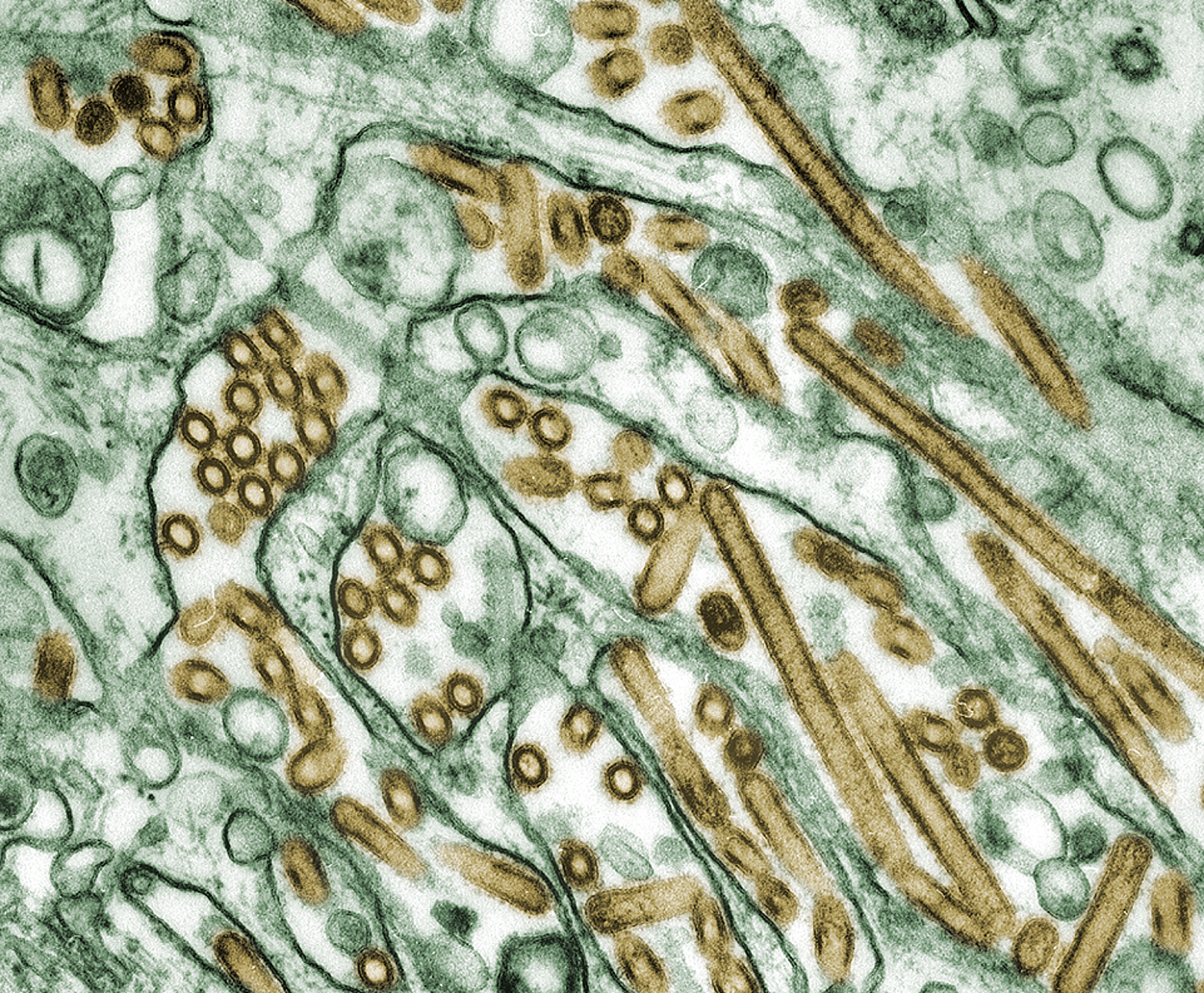
4) Avian Flu

A colourized transmission electron micrograph of the Avian Influenza A virus.
The Avian Flu, also known as Avian Influenza A or H5N1, is a very deadly and infectious disease that comes from a variety of viruses found in birds. Nearly 60% of people who contract the Avian Flu die from the disease regardless of their age and health status. Many experts have been warning the pandemic potential of the Avian Flu even through it is still unclear whether human-to-human transmission is possible. The flu has killed millions of poultry worldwide and there are fears that species-specific viruses will exchange genetic material to create a virulent and deadly flu strain for humans. As of late 2009, 262 humans have died from the Avian Flu in 12 countries centered particularly in Asia and Eastern Europe.

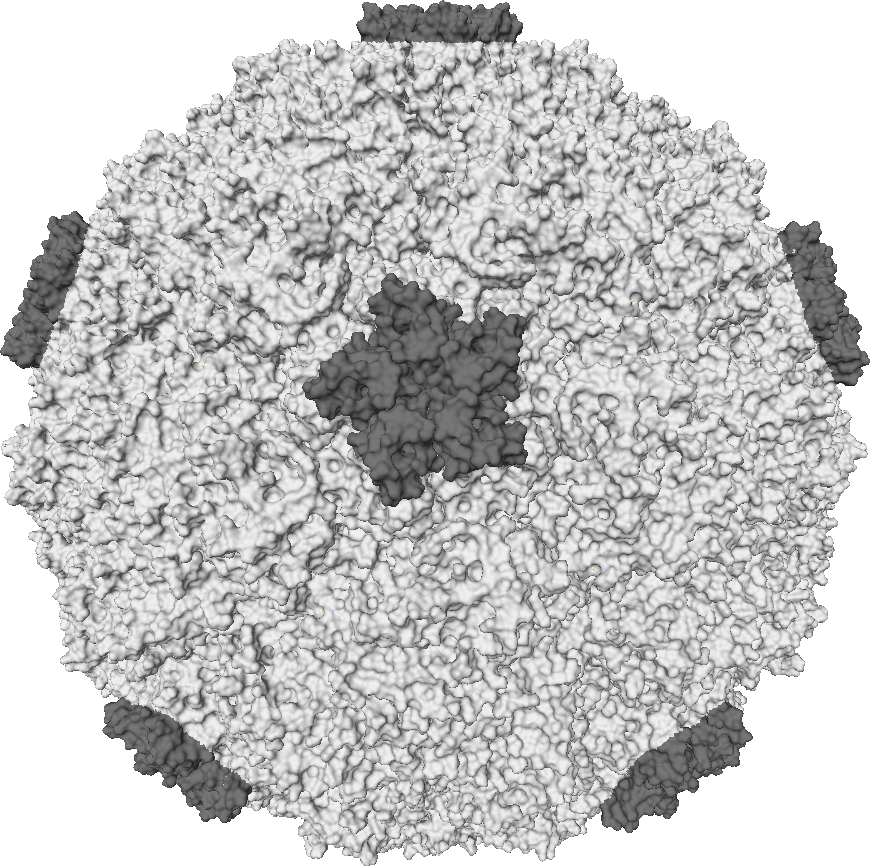
3) Common Cold

The molecular surface of a human rhinovirus.
The common cold, responsible for 30-50% of adult colds, is the most frequent infectious disease for humans with an estimated one billion cases annually in North America alone. It is a viral infectious disease of the upper respiratory system caused primarily by rhinoviruses and coronaviruses that can last anywhere from a few days to a few weeks. The symptoms - sore throat, runny nose, and fever - seem relatively harmless however its prevalence has inflicted a massive cost to society. Efforts to develop a vaccine against the common cold have been unsuccessful because colds are produced by a large variety of rapidly mutating viruses making the successful creation of a broadly effective vaccine highly improbable.

2) Alzheimer's Disease

In Alzheimer's, increasing numbers of brain cells deteriorate and die.
Alzheimer's, a degenerative brain disorder, gradually destroys a person's ability to memorize, learn, make judgments, and communicate. As Alzheimer's progresses, patients can experience a change in personality and increased anxiety, agitation, and delusion as well as a much greater risk for dementia. As many as 5.3 million Americans live with Alzheimer's and it is the seventh-leading cause of death in the United States (Source: Alzheimer's Association). Those with Alzheimer's tend to have more developed "plaques" and "tangles" in their brains which block communication among nerve cells and disrupt normal cell function. These plaques and tangles typically begin in the areas of the brain that are important to learning and memory and spread from there. While there is no cure, scientists are hoping to understand the disease better in order to do a better job of preventing its onset or treating it in the early stages.

1) AIDS

The areas hardest hit by HIV/AIDS have been Africa and Central America.
Acquired Immune Deficiency Syndrome (AIDS) has devastated society since the early 1980s, particularly in developing countries, reaching pandemic status with an estimated 33.2 million people living with AIDS worldwide. In 2008, 2 million people worldwide died from AIDS with three-quarters of that coming from Africa. AIDS is caused by a Human Immunodeficiency Virus (HIV) that slowly wears down one's immune system. As the immune system deteriorates, it is less able to combat viruses, fungi, and bacteria that are considered non-serious for those without HIV. These are known as "opportunistic infections" such as pneumocystis pneumonia (PCP) and Kaposi's syndrome and indicate the presence of AIDS. Although there is no vaccine or cure available, antiretroviral treatment has been able to slow down and control the infection however the treatment is often too costly and inaccessible to most of the people infected. Currently, the focus has been placed on cost-effective prevention and promoting safe-sex and safe needle exchanges.

Sources: 50plus.com (2), MedlinePlus, Aids.org, Alzheimer's Association, Live Science, Wikipedia

Home Care Assistance offers the highest quality 24/7 live-in home care in the Region of Halton (Oakville, Burlington, Halton Hills, and Milton), Region of Peel (Mississauga, Brampton and Caledon) and Hamilton.

Wednesday, August 4, 2010

Adopt a Brain-Healthy Diet

According to the most current research, a brain-healthy diet is one that reduces the risk of heart disease and diabetes, encourages good blood flow to the brain, and is low in fat and cholesterol. Like the heart, the brain needs the right balance of nutrients, including protein and sugar, to function well. A brain-healthy diet is most effective when combined with physical and mental activity and social interaction. Manage your body weight for overall good health of brain and body. A long-term study of 1,500 adults found that those who were obese in middle age were twice as likely to develop dementia in later life. Those who also had high cholesterol and high blood pressure had six times the risk of dementia. Adopt an overall food lifestyle, rather than a short-term diet, and eat in moderation. Reduce your intake of foods high in fat and cholesterol. Studies have shown that high intake of saturated fat and cholesterol clogs the arteries and is associated with higher risk for Alzheimer’s disease. However, HDL (or “good”) cholesterol may help protect brain cells. Use mono- and polyunsaturated fats, such as olive oil, for example. Try baking or grilling food instead of frying. Increase your intake of protective foods. Current research suggests that certain foods may reduce the risk of heart disease and stroke, and appear to protect brain cells.

In general, dark-skinned fruits and vegetables have the highest levels of naturally occurring antioxidant levels. Such vegetables include: kale, spinach, brussels sprouts, alfalfa sprouts, broccoli, beets, red bell pepper, onion, corn and eggplant. Fruits with high antioxidant levels include prunes, raisins, blueberries, blackberries, strawberries, raspberries, plums, oranges, red grapes and cherries.

Cold water fish contain beneficial omega-3 fatty acids: halibut, mackerel, salmon, trout and tuna.

Some nuts are useful; almonds, pecans and walnuts are a good source of vitamin E, an antioxidant.

Not enough information is available to indicate what quantities of these foods might be most beneficial for brain health. For example, it is not clear how much fruit would have to be consumed to have a detectable benefit. However, a study of elderly women showed that those who ate the most green, leafy and cruciferous vegetables in the group were one to two years younger in mental function than women who ate few of these vegetables.

Vitamins may be helpful. There is some indication that vitamins, such as vitamin E, or vitamins E and C together, vitamin B12 and folate may be important in lowering your risk of developing Alzheimer’s. A brain-healthy diet will help increase your intake of these vitamins and the trace elements necessary for the body to use them effectively.

Source: Alzheimer's Association

Home Care Assistance offers the highest quality 24/7 live-in home care in the Region of Halton (Oakville, Burlington, Halton Hills, and Milton), Region of Peel (Mississauga, Brampton and Caledon) and Hamilton.

Wednesday, July 28, 2010

Recipe: Cashew Curry

A new study in the Molecular Nutrition and Food Research journal suggests that cashew seed extract may play an important role in preventing and treating diabetes.

Aside from being a popular and tasty snack, cashews are also excellent to cook with. For those who enjoy the spices of life, here is a recipe for Cashew Curry.

Ingredients
  • ½ pound whole cashews
  • 2 T organic olive oil
  • 5 shallots, thinly sliced
  • 5 curry leaves
  • 2 inch piece of lemongrass or zest of 1 lemon
  • ½ t turmeric
  • 1 T coriander
  • 2 chile peppers, thinly sliced
  • 2 cloves garlic, minced
  • 2 slices ginger
  • ½ t salt
  • 15 oz unsweetened coconut milk
  • 2 T cilantro, chopped
Directions 
1. Sauté the sliced shallots in olive oil in a wok or frying pan, stirring occasionally, until golden, for about 10 minutes.

2. Add the curry leaves, lemon, turmeric, coriander, chile peppers, garlic, ginger, and salt, and cook until fragrant for about 5-10 minutes.

3. Add coconut milk and chopped cilantro and simmer until thickened for another 5-10 minutes.

4. Remove curry leaves and serve with diabetic rice or brown rice. Makes four servings.

Source: NJN Network
 

Home Care Assistance offers the highest quality 24/7 live-in home care in the Region of Halton (Oakville, Burlington, Halton Hills, and Milton), Region of Peel (Mississauga, Brampton and Caledon) and Hamilton.

Friday, July 23, 2010

How to Live to 102 - Secret #10

Eat fish. Oily fish like salmon, mackerel and albacore tuna are high in omega-2 fatty acids which lowers blood fat and blood pressure and reduces risk factors for heart disease, diabetes, and stroke.

Source: Montreal Gazette

Home Care Assistance offers the highest quality 24/7 live-in home care in the Region of Halton (Oakville, Burlington, Halton Hills, and Milton), Region of Peel (Mississauga, Brampton and Caledon) and Hamilton.
Monday, July 5, 2010

10 Healthy "Superfoods" Snacks

When it comes to healthy snacks, the age of the baby carrot is over. Sure, raw carrots are great for you, but so are plenty of other delicious foods. These ten delicious snacks are also "superfoods" – not only are they good for you but they also have health-boosting properties to boot. Whether you crave something sweet, something salty, something crunchy, or something creamy, there is a superfoods snack for you. Note the serving sizes mentioned and enjoy all snacks in moderation for a healthy, varied diet.

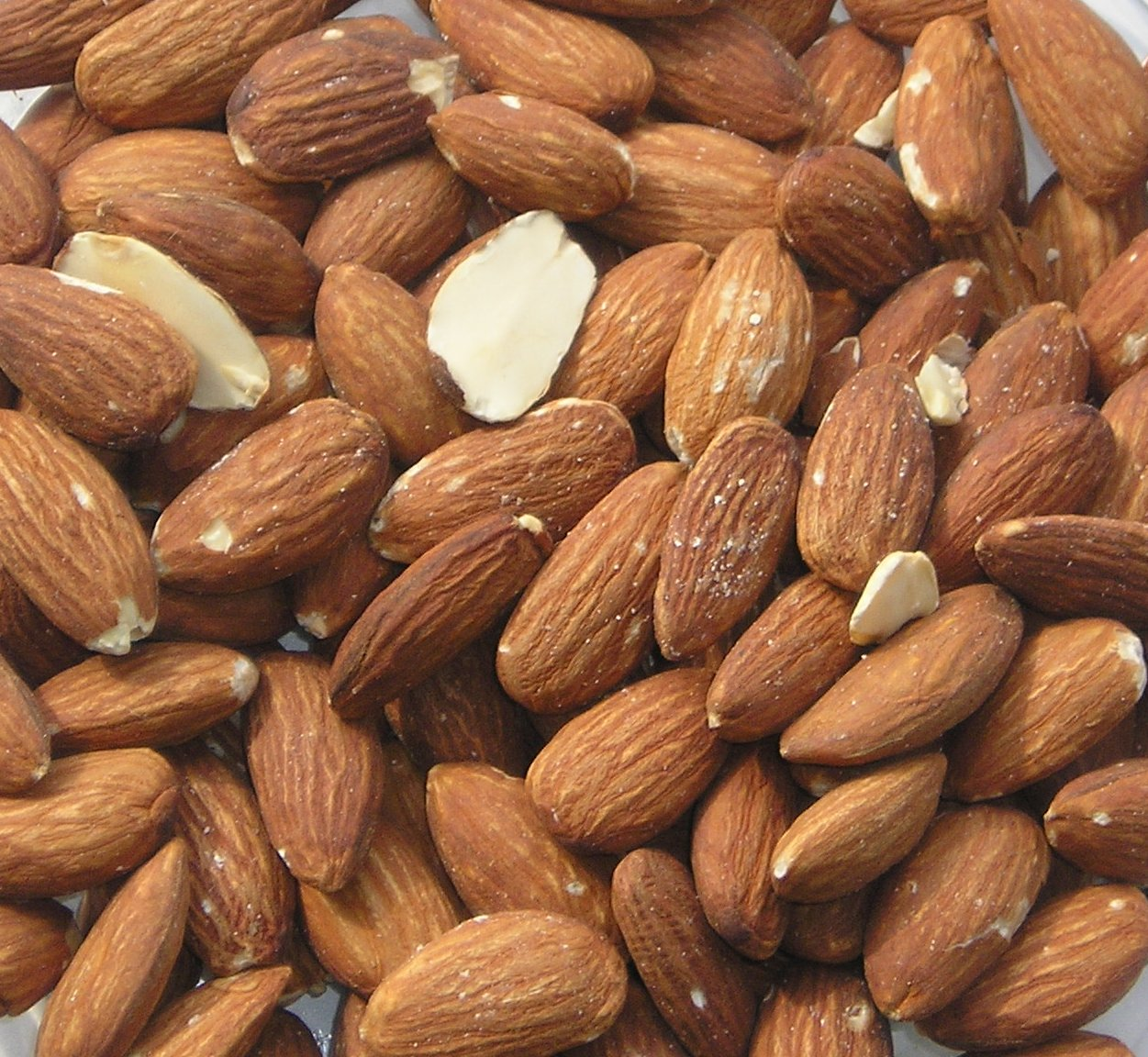
1. Almonds
Almonds have been shown to lower cholesterol and help maintain a healthy weight. About a ¼ cup of almonds is a beneficial serving. Enjoy them plain or roasted, whole or slivered. Almond butter – just a tablespoon or two – is a healthy treat, too. Try some on a whole grain cracker and a cup of green tea for a late afternoon energy boost.

2. Blueberries
Blueberries are as full of cancer- and disease-fighting antioxidants as any food around, so much so that they have been even shown to restore antioxidant levels. Also, like cranberries, they can help prevent urinary tract infections. Note that wild blueberries tend to have even more antioxidants than cultivated ones. Fresh berries are delicious all on their own or with a bit of Greek yogurt (see #5). Frozen berries can be used in smoothies or put on top of low-fat frozen yogurt. Use about ½ cup fresh or frozen berries as a serving.

3. Broccoli
Broccoli eaten either raw or lightly steamed contains tons of soluble fiber and antioxidants, as well as folic acid, calcium, ion, and potassium. Broccoli has even been shown to have the power to reduce diabetic damage. Don't throw away the stalk/stem! Cut off the thick, fibrous darker green peel to reveal the tender, pale green vegetable underneath – it has the crunch of celery and a mild broccoli flavor. Try broccoli florets or peeled stems with a little drizzle of soy sauce or a simple dip made from fat-free Greek yogurt (again see #5) – stir in minced garlic and herbs, lemon zest and minced rosemary, or a sprinkle of cumin and cayenne to taste. About ½ cup of florets or peeled stem is a serving.

4. Cherries
Cherries, tart ones in particular, have similarly insanely high antioxidant levels as blueberries, putting them in the position to fight memory loss, heart disease, and diabetes. They've also been shown to help reduce inflammation, helping alleviate arthritic and gout pain. Fresh, frozen, or dried (unsweetened) tart cherries make a great snack on their own or combined with other nuts (almonds, walnuts, pumpkins seeds) and fruits (blueberries, raisins). Count ½ cup fresh cherries or ¼ cup dried cherries as a serving.

5. Greek Yogurt
Greek yogurt is thick and creamy in a way regular yogurt can only dream of. It's high in calcium, of course, and contains good levels of probiotics, which aid healthy digestion. But did you know low-fat and fat-free versions contain twice as much protein as regular yogurt? The texture of Greek yogurt makes it a great snack – especially when topped with dried fruits like blueberries, tart cherries, or raisins – as well as a good substitute for fatty sour cream. Include in it your three servings (1/2 cup each) of low-fat dairy a day.

6. Pumpkin Seeds
Pumpkin seeds give you protein, zinc, magnesium, and selenium, a potent combination that can fight heart disease and depression. Selenium, a trace mineral, is essential for proper thyroid function. Look for roasted pumpkin seeds, often sold as "pepitas," that are unsalted and flavor-free. As with all nuts and seeds, a serving is about ¼ cup.

7. Raisins
Raisins, like all dried fruits, contain a lot of natural sugars, but the fiber and iron in raisins, along with high levels of vitamin C, put them squarely in the super snacks category. Plus, the phytochemicals in raisins have been shown to fight the bacteria that cause tooth decay and gum disease. Keep servings to about ¼ cup and buy only unsweetened raisins.

8. Soy Beans
Soy beans (edamame) are a great source of protein as well as cancer-fighting flavonoids. Steamed or boiled fresh or frozen soy beans can be eaten like fresh sweet peas or in-shell peanuts – and, in fact, they taste a bit like a cross between the two – where part of the fun is getting the nugget out of the shell. Enjoy ½ cup shelled soybeans or 1 cup in-the-pod soy beans as a tasty, healthful snack.

9. Walnuts
Walnuts bring protein, fiber, vitamins, minerals and precious omega-3s to the party. They've been shown to lower cholesterol, improve brain function, regulate sleep patterns, and fight cancer and heart disease. If you find walnuts a bit too bitter to enjoy them fully, use this trick: blanch walnut halves in boiling water for 30 seconds to remove some of the bitterness, drain them, and then toast them on a baking sheet in a 375-degree oven for 10 to 15 minutes to bring back their crunch. As with all nuts, limit your serving size to about ¼ cup.

10. Dark Chocolate
Dark chocolate – saving the best for last. Dark chocolate has tons of antioxidants, magnesium, manganese, copper, zinc, and phosphorous. Look for chocolate that contains over 70% cocoa to get the full benefit of chocolate's antioxidant powers and limit your intake to about an ounce a day.

Wednesday, June 30, 2010

Why Any and All Activity Matters

The health benefits of exercise are extraordinarily well documented. Regular exercise lowers your risk of a stroke by 27%, reduces instances of both high blood pressure and Alzheimer's disease by 40%, cuts your chance of developing diabetes by 50%, and lowers your risk of developing colon cancer by a whopping 60%. As well, it obviously helps maintain a healthy weight. Plus, exercise has been shown to be just as effective at fighting depression as both SSRIs (like Prozac) and therapy.

A recent study from the Appalachian State University's Human Performance Lab even showed that people who took a brisk walk five days a week had fewer and less severe colds and flus than sedentary control subjects. So it's not just long-term chronic and fatal conditions that being fit staves off – regular exercise actually helps you battle the common cold, too!

Beyond full-on exercise, however, a recent study out of Australia also shows the health risk of being inactive. The study from the physical activity lab at the Baker IDI Heart and Diabetes Institute in Victoria, Australia found that the more television its subjects watched, the greater risk they had of dying at a younger age, particularly from heart disease.

Subjects in the study who watched four hours or more of television per day were 80% more likely to die from heart disease and 46% more likely to die from all causes, even when factors such as: education levels, overall health, age, past smoking, waist circumference, cholesterol levels, and blood pressure of the subjects was taken into account.

The study concluded that the real problem with television watching is that it is done while sitting, and sitting with extraordinarily little muscle movement. Such "extreme" inactivity affects metabolism overall, not just during the time spent inactive. A study from July 2008 showed that standing engages muscles and promotes the distribution of lipase, a fat-absorbing enzyme that triggers the body to process fat and cholesterol. Most important, the benefits of this regular, unremarkable movement are independent from the amount of time subjects spent exercising.

That same study found that the health consequences that develop from too much sitting are very different and independent from those that result from too little exercise. Along with the recent Australian study, it found that the negative health consequences of prolonged periods of sitting – larger waistlines, higher bad cholesterol levels, lower good cholesterol levels, heart disease risks – were not fully counteracted by regular exercise.

In other words, regular exercise – beneficial as it is – doesn't counteract the negative effects of long periods of inactivity.

Part of the issue is that television watching is fundamentally inactive. Harvard Health Publications estimates that, when it comes to calories burned, watching television (56 calories per hour) is closer to sleeping (46 calories per hour) than it is to sitting and reading (84 calories per hour), which itself is more akin to standing in line (94 calories per hour) than it is to watching television. (Note: calorie counts are for a 155-pound person.) In other words, watching television is an inactive as a person can get without sleeping.

Along with limiting television watching, these studies point to the importance of remaining active throughout the day. The good news is that it ends up that the simple physical movements of standing and moving between rooms has significant health benefits. When watching television, standing up during commercial breaks, going to get a glass of water, or even putting down the remote control and getting up to change channels and adjust volume the old-fashioned way can help people from staying in one extremely inactive position for extended periods of time.

Light household tasks and self-care – activities encouraged by the Balanced Care Method™ whenever clients are physically able – can help keep people moving. Not only does such daily activity help keep people physically active longer, we now know it also can help fight heart disease and other health risks.
Related Posts Plugin for WordPress, Blogger...